
Three Price Increases in 60 Days
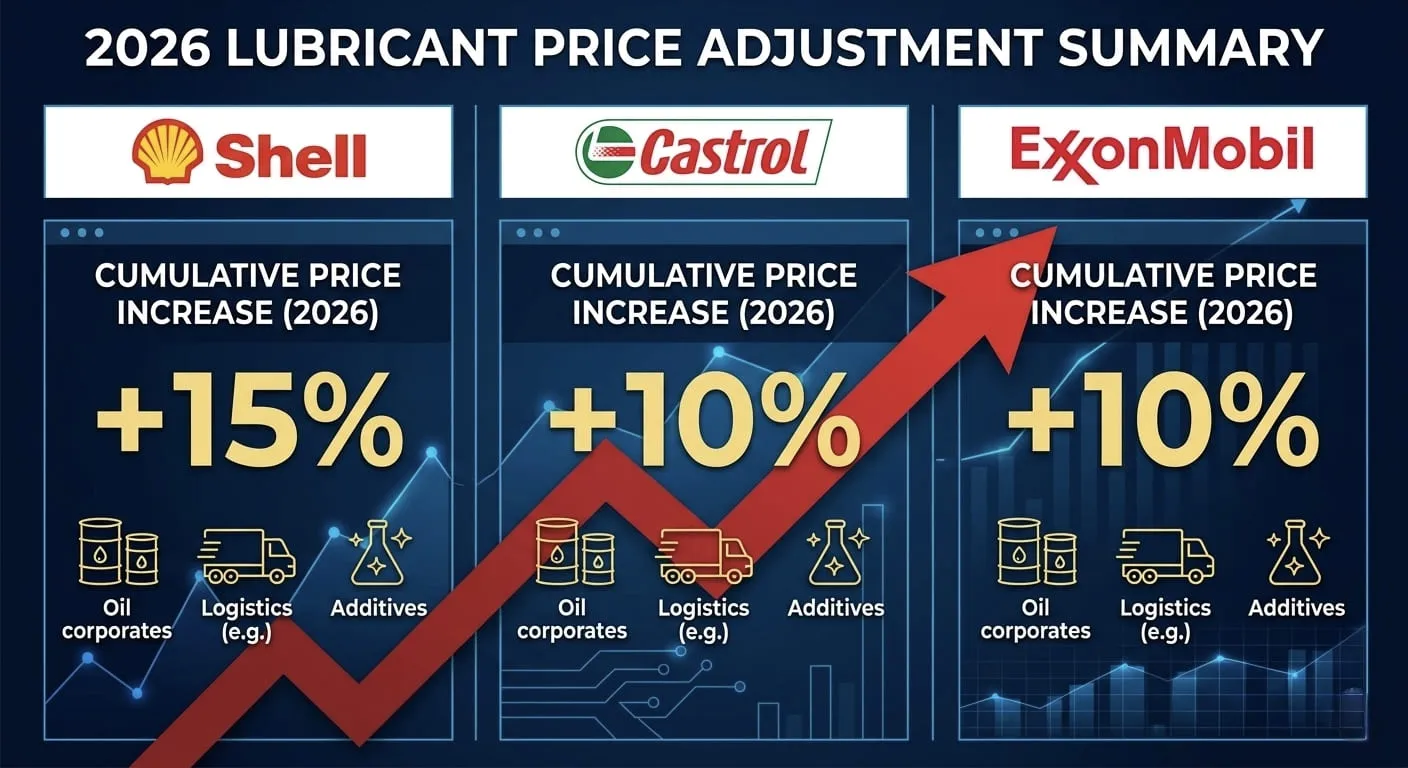
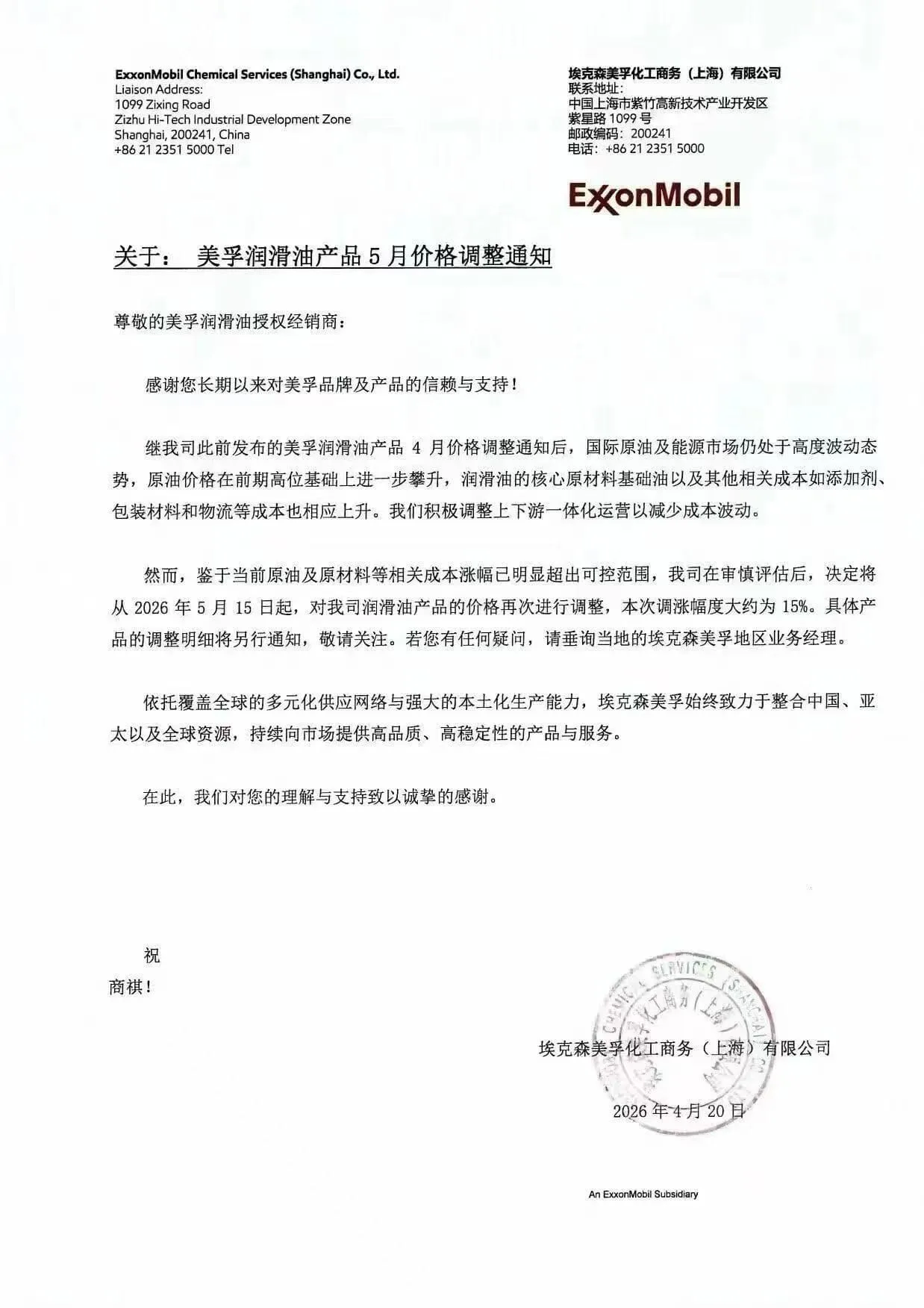
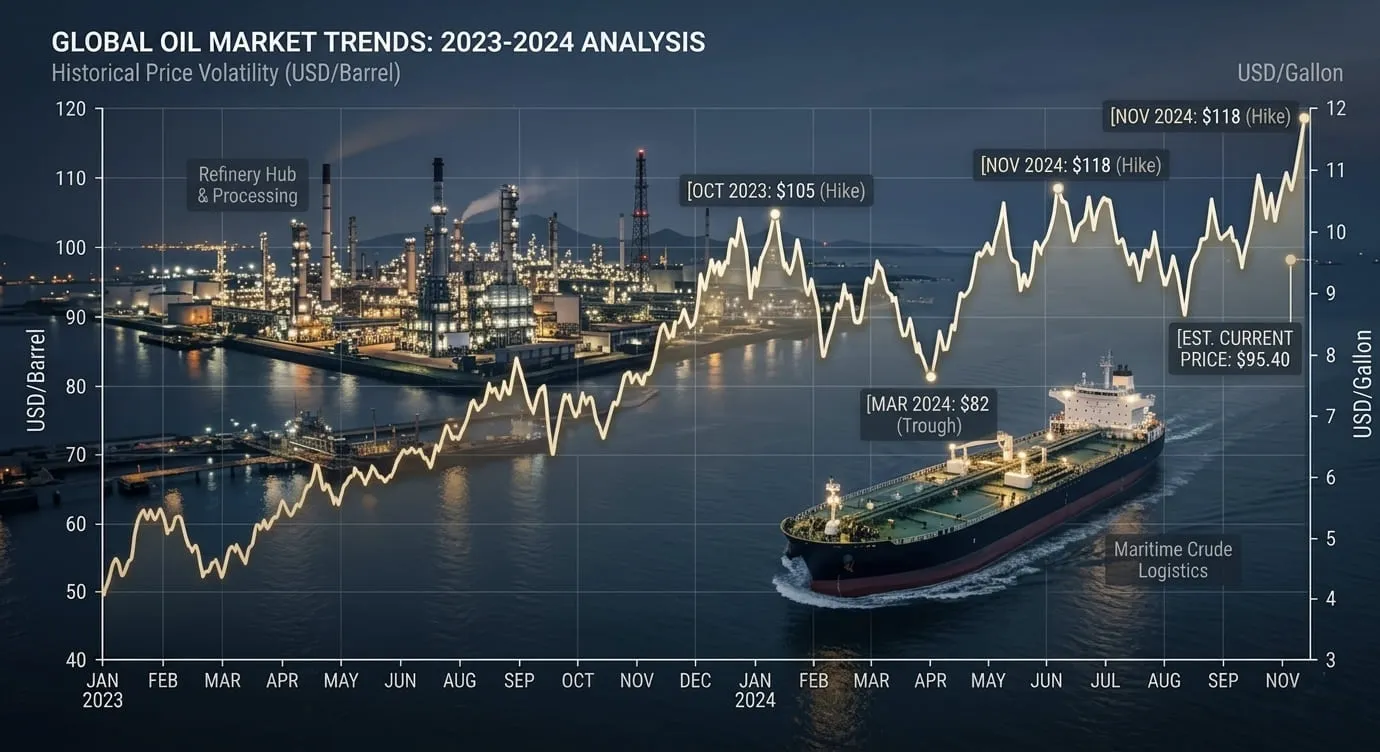
The global lubricant industry is currently navigating a “Price Tsunami” with no immediate sign of receding. Between March 27 and May 4, 2026, the market witnessed an unprecedented phenomenon: three major price waves in just 60 days. As the energy crisis intensifies, industry giants like Shell, Castrol, and ExxonMobil have implemented compounding adjustments that have left distributors and workshops scrambling to protect their margins.
1 Root Causes | Why Prices Keep Rising
The recent surge in the global lubricant market is driven primarily by tightening supply chains rather than crude oil alone. At the core is the sharp increase in base oil prices, which account for 70–80% of lubricant costs. In 2026, Group II base oil prices rose over 35%, while Group III exceeded $1,800/ton, driven by refinery shutdowns, maintenance disruptions, and rising demand across Asia. This imbalance has pushed many buyers into the spot market, significantly increasing procurement costs.
At the same time, additive package costs—typically 15–20% of formulations—have climbed across all categories, including dispersants, ZDDP anti-wear additives, and viscosity modifiers. Supply constraints in key raw materials and production limitations from major suppliers like Lubrizol and Infineum have further intensified pricing pressure, alongside rising regulatory compliance costs.
While crude oil prices remain relatively stable in comparison, their influence on lubricants is indirect. The base oil market dynamics and specialty chemical supply chains play a far greater role, meaning lubricant prices often rise faster and lag crude trends.
Finally, increases in logistics, packaging, and currency fluctuations continue to compound the issue. Higher freight rates, rising steel drum and plastic packaging costs, and a strong U.S. dollar have collectively added layers of cost pressure, making price adjustments across global lubricant brands not just reactive—but inevitable.
2 Will Oil Prices Go Down in 2026?
The outlook for the global lubricant market in 2026 remains uncertain, with most industry analysts agreeing that price relief will be limited. According to recent oil market forecasts from the IEA, base oil pricing will largely depend on refinery recovery, geopolitical stability, and demand trends across Asia.
From a supply perspective, three scenarios are shaping expectations. In a pessimistic scenario, continued refinery disruptions and strong Asian demand could keep base oil prices elevated through late 2026. A more likely base case scenario suggests gradual stabilization as maintenance cycles end and demand softens seasonally, with only a modest 5–8% price correction by Q4. In an optimistic scenario, faster capacity recovery and weaker demand could drive a deeper decline, although this remains less probable.
One key reason is price stickiness. Even if base oil costs decline, manufacturers often maintain pricing to recover margins lost during earlier cost surges. At the same time, additive costs, supported by data from lubricant additive market analysis, are unlikely to decrease at the same pace. Ongoing increases in logistics, packaging, and contract pricing cycles further limit the speed of any downward adjustment.
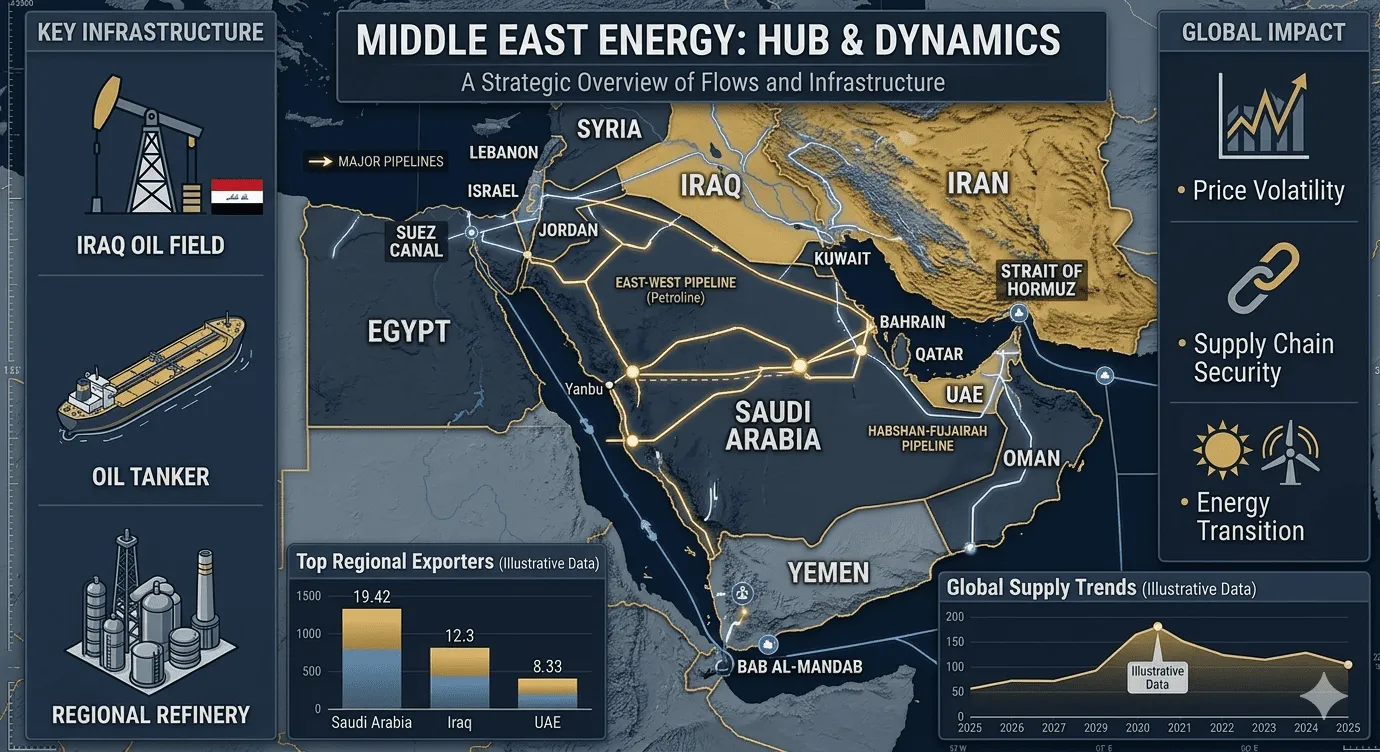
For distributors and importers, this means planning for stable-to-high pricing throughout 2026. Q2 and Q3 are expected to hold current levels, while Q4 may bring only minor corrections rather than a full reversal. Broader macro factors—such as Middle East supply risks, global shipping disruptions, or unexpected demand surges—remain critical variables, as highlighted in World Bank commodity outlook reports. In practical terms, the 2026 strategy is not about waiting for prices to fall—but about adapting to a new pricing baseline shaped by supply constraints and long-term structural changes in the lubricant industry.


3 Why Is the Price of Oil Going Up Again?
A common misunderstanding is that crude oil prices alone dictate lubricant pricing. In reality, between March and May 2026, crude rose only 4% while Group II base oil surged over 35%. This pricing disconnect is driven by refinery outages, high Asian demand, and critical additive shortages that have limited global production capacity.
To safeguard profit margins, distributors are shifting toward inventory buffering (45–90 days) and supplier diversification. In competitive B2B markets, success now depends on value-driven differentiation and technical support rather than price alone, helping partners navigate the current supply chain volatility.
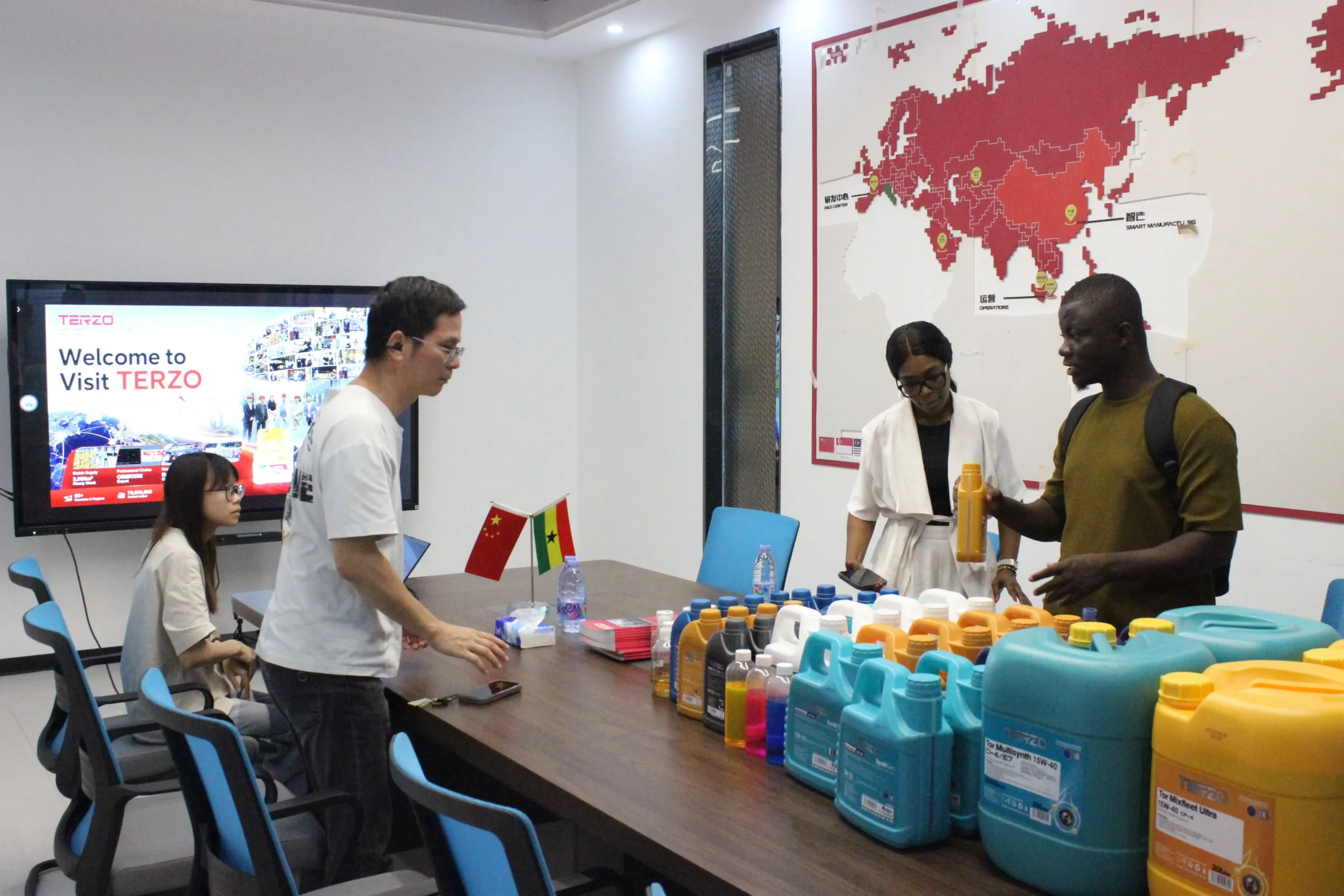
The TERZO factory-direct advantage addresses these challenges by eliminating unnecessary layers. Our model provides a lower cost structure—typically a 25–32% markup compared to the 70%+ seen in traditional brands. This ensures stable pricing and inventory flexibility, allowing our partners in West Africa to remain highly competitive even as raw material costs rise globally.
4 Practical Action Steps for Distributors
In the next 30 days, distributors must prioritize margin analysis and inventory assessment. Evaluating the actual margin on each product line allows for strategic price pass-through decisions. Clear customer communication is essential—segmenting your audience by price sensitivity helps protect your revenue while explaining the global manufacturer announcements driving these shifts.
Transitioning over the next 60-90 days requires product mix optimization and supplier diversification. Testing alternative brand opportunities and factory-direct partnerships like the TERZO model can offer a 10-14% structural cost advantage. By shifting your value proposition from price to total cost of ownership, you build a sustainable growth strategy independent of major brand dependency.
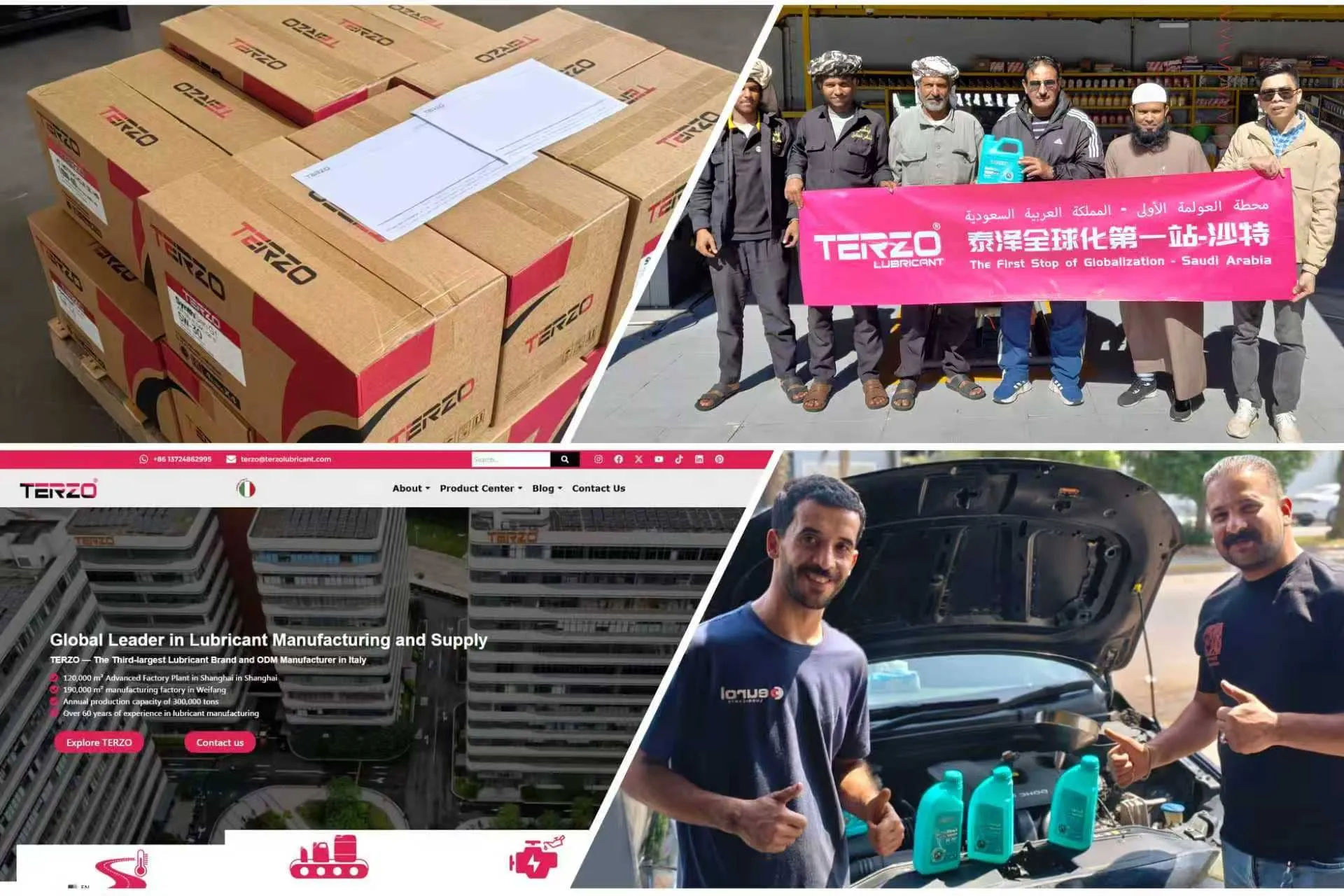
The 2026 pricing reality reflects structural base oil and additive constraints that are likely to persist. Distributors who implement inventory positioning and value-added services will gain market share during this volatility. The competitive landscape is evolving; those who embrace efficient supply models will emerge stronger. Contact the TERZO International Sales Department to secure your distribution partnership and stable pricing today.
One Response
wish you all the best