
Base Oil Supply Is No Longer Something Buyers Can Ignore
Per lubricant importers, distributori di lubrificanti and private label brands, 2026 has made one thing clear: stable base oil supply can no longer be taken for granted. A significant share of global Group III base oil capacity is concentrated in just a few hubs across Asia and the Middle East base oil market, which means any conflict, trade disruption, or natural disaster in these regions can trigger immediate global shortages — and recent reports on Middle East base oil disruptions confirm just how quickly a single regional shock can turn into a full-blown base oil supply risk across the entire lubricant supply chain.
When crude supply, refinery operations, GTL production, additive availability and freight routes all come under pressure at the same time, the question is no longer only:
“How much is the price?”
The more important question becomes:
“Can this supplier still deliver when the market changes?”
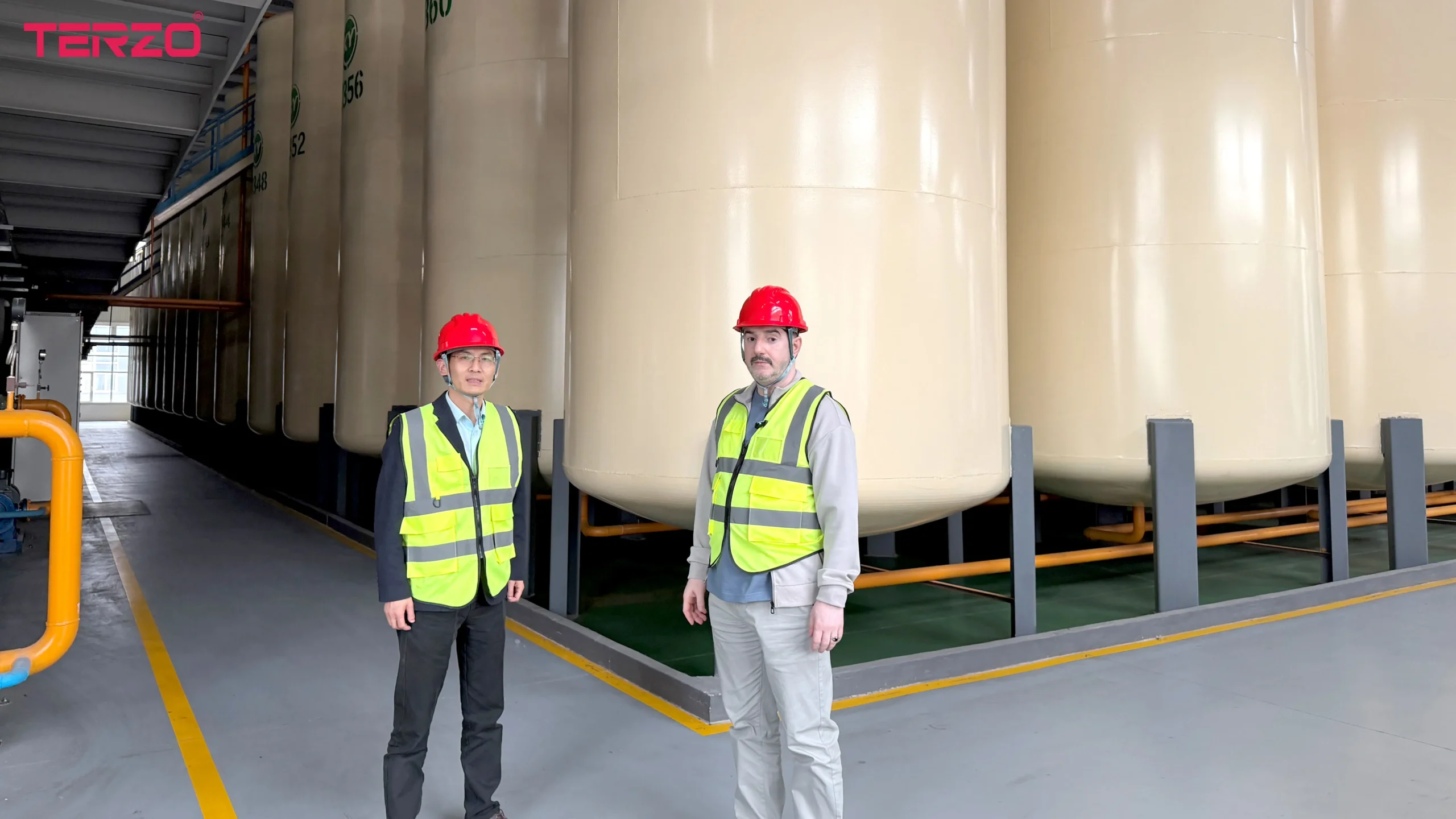
This is why more lubricant buyers are now reviewing their sourcing structure and preparing a second supply channel — partnering with a stable lubricant supplier like Terzo Lubricant — before the market becomes tighter.
1 The Middle East Signal Is Bigger Than Crude Oil
The Middle East matters to the lubricant supply chain for more than crude oil. It is also one of the world’s most important sources of high-quality Group III base oil used in synthetic and semi-synthetic engine oils — regional capacity has doubled since 2020, making it a structural pillar of global supply rather than a minor contributor. When production or logistics in this region are disrupted, the impact doesn’t stay upstream — it moves quickly into finished lubricants, OEM lubricant supplier e private label lubricant supplier projects, and distributor stock planning, turning a regional event into a real base oil supply risk for the whole chain.
For buyers of engine oil supplier relationships, diesel engine oil, motorcycle oil and synthetic lubricants, this is not just a headline. It may affect lead time, quotation validity, formulation planning and replacement cost — which is exactly why more buyers are choosing to work with a stable lubricant supplier that can absorb these shocks instead of passing them straight through.
2 A Backup Source Is Not Always an Unlimited Source
Many buyers may think that if Middle East base oil market supply becomes tight, they can simply turn to South Korea or other Asian suppliers. But backup supply is not unlimited. South Korea is one of the world’s important premium base oil hubs, especially for Group III base oil. However, Korean refiners also depend on crude supply, refinery economics and fuel-market profitability — when diesel and jet fuel margins are strong, refineries may prioritize fuel production over base oil output, tightening the very backup that buyers were counting on.
That means buyers should not build their strategy around one “best” stable lubricant supplier only. A stronger structure looks like this: main supplier + tested backup supplier + emergency sourcing plan.
3 When Standards Become Flexible, the Pressure Is Already Real
API licensing flexibility and emergency discussions around base oil substitution show that the pressure has moved beyond simple price changes. In 2026, API activated Emergency Provisional Licensing in direct response to Middle East supply disruptions, allowing licensees temporary flexibility to substitute base oils while maintaining compliance — a clear signal of how serious the base oil supply risk had become.
For lubricant professionals, changing base oil is never just a purchasing adjustment. It can affect viscosity control, volatility, oxidation stability, additive response, low-temperature performance and product claims. So when the industry starts discussing temporary flexibility, buyers should pay attention. It means the pressure is already touching formulation, compliance and product planning — not just the price sheet.
4 What Lubricant Buyers Should Do Before the Market Gets Tight
The best time to test a second supplier is not when your current shipment is delayed. It is when you still have time to compare, test and decide calmly. Buyers can start with a small and controlled approach:
- Choose two or three fast-moving products
- Request samples, TDS, SDS and COA
- Compare packaging and carton strength
- Check communication speed and lead time
- Run a small market test with workshops or dealers
- Review batch consistency before scaling the order
A second supply channel does not mean replacing your current supplier immediately. It means giving your business more room to move when the market changes.
5 How TERZO Helps Buyers Build a Practical Second Channel
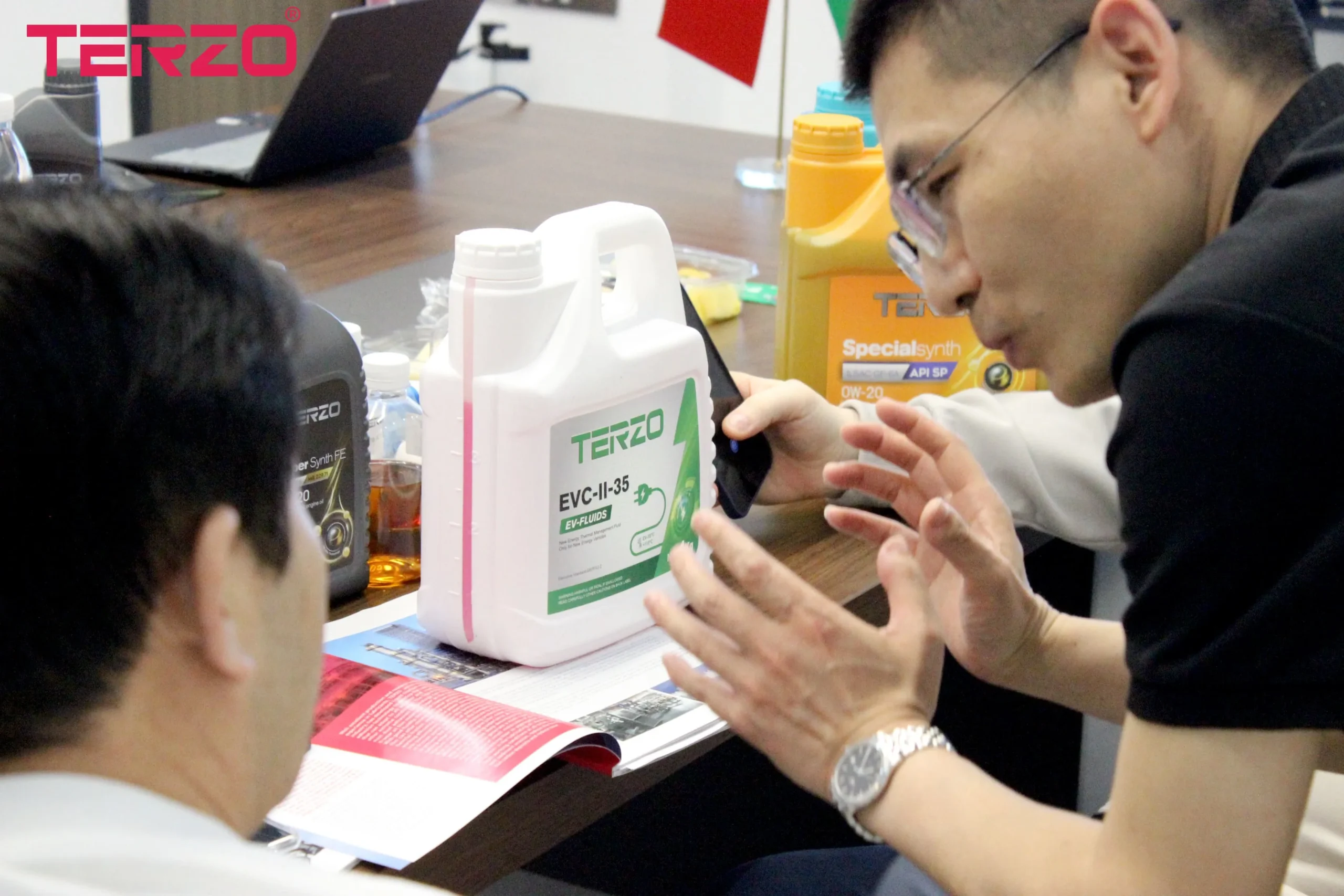
TERZO supports lubricant importers, distributori di lubrificanti, wholesalers and private label lubricant supplier buyers with practical supply planning. For buyers who want to test a second supply channel, TERZO can help with:
- Engine oil supplier, diesel engine oil and motorcycle oil supply
- ATF, gear oil, coolant and brake fluid options
- OEM lubricant supplier / private label production
- Product documentation support
- Trial order planning
- Packaging and market adaptation
- Mixed-product loading for lower trial risk
The goal is not simply to sell another shipment. The goal is to help buyers build a supply structure that can stay stable when the market becomes uncertain.
Base oil supply is changing. The buyers who prepare early will have more choices when the market becomes difficult.
A second supply channel is not an emergency decision. It is a business insurance policy.
If you are reviewing your lubricant supply chain, testing a new product line, or planning a backup lubricant supplier for your market, TERZO can help you build a practical starting plan.
Send us your target market, top-selling grades and packaging requirements. TERZO will help review a suitable supply proposal for your next step.