


8 Lubricant Quality Risks Every B2B Buyer Should Check
In the lubricant business, the lowest quotation is rarely the complete cost. A product may arrive with an attractive label, an acceptable viscosity figure and a basic certificate of analysis. However, these elements alone do not prove that the lubricant can maintain its viscosity under mechanical shear, control engine deposits, reduce wear or deliver consistent performance from one batch to another.
For workshops and oil-change centers, poor lubricant quality may result in customer complaints, oil-consumption concerns and repeat service costs. For retailers and distributors, it can create product returns and damage market confidence. For importers and OEM brand owners, one inconsistent shipment may threaten the reputation of an entire local brand.
Understanding the main lubricant quality risks is therefore not only a technical requirement. It is an essential part of commercial risk management.
1 Unauthorized Base-Oil Substitution
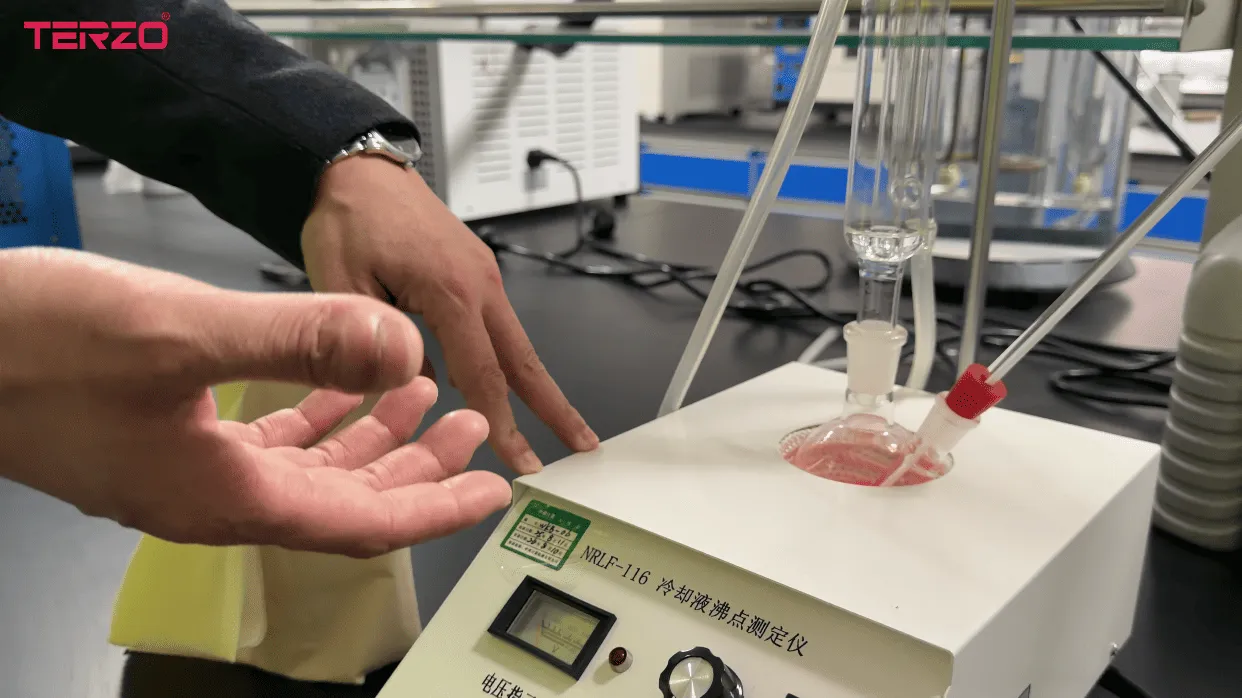
One of the most significant base-oil quality risks is replacing an approved base-oil system with a lower-cost alternative without re-evaluating the formulation or conducting the necessary validation. Different base oils may vary in volatility, viscosity index, solvency, sulfur content, oxidation stability, and additive compatibility. Even when two base oils appear similar based on standard specification data, their performance in a finished lubricant formulation may differ significantly.
The key risk lies not simply in the base-oil group itself, but in uncontrolled substitution without proper technical review. B2B buyers should assess whether the manufacturer has a formal raw-material approval and change-management process in place. If a base stock changes, the supplier should evaluate whether additional laboratory, bench, or engine testing is necessary.
2 Unvalidated Additive Packages
The size or reputation of an additive supplier alone does not determine finished-oil quality. The more important question is whether the engine oil additive package validation has been properly developed, validated and used at the correct treat rate. An engine oil additive package formulation may combine detergents, dispersants, anti-wear agents, antioxidants, friction modifiers, corrosion inhibitors, viscosity modifiers and anti-foam components.
These components must work as a balanced system. An unvalidated package may produce acceptable fresh-oil data but fail to control sludge, piston deposits, wear or oxidation during actual use. The risk becomes higher when a supplier makes API ACEA OEM lubricant performance claims without sufficient technical evidence. Importers and OEM buyers should not be satisfied with a vague statement such as “imported additives are used.” They should ask which lubricant performance category specification the formulation supports and what technical documentation is available.
3 Low-Cost Viscosity Improvers with Weak Shear Stability
A lubricant may meet its stated viscosity grade immediately after blending but lose viscosity after repeated mechanical stress inside the engine. This is why the quality and shear stability of the viscosity index improver performance are critical. Viscosity modifiers are long-chain polymers designed to help an oil maintain suitable viscosity across a wide temperature range. Lower-quality polymers may break down more quickly under severe operating conditions. A fresh oil may therefore appear compliant during routine testing while becoming too thin during service.
For fleets, workshops and distributors,
the important question is not only: “Does the new oil test as a 5W-40?”
It is also:“Will it remain within the required viscosity range after real mechanical stress?” This relates directly to industry-defined requirements under SAE viscosity classification standards e engine oil performance evaluation frameworks such as API engine oil standards.
4 Uncontrolled Recovered Oil or Poorly Processed Feedstock
Properly re-refined base oil is not inherently inferior. Modern re-refining processes can remove contaminants and produce base stocks suitable for lubricants that meet recognized performance standards. The real risk lies in poorly processed recovered oil, mixed waste oil, or unverified feedstocks lacking proper refining and contaminant control. Such materials may contain water, fuel dilution, oxidation products, wear metals, incompatible additives, or other impurities.
Low raw-material cost cannot offset inconsistent composition o uncertain origin. A relevant question is: “What are the origin, refining process, quality specification, e batch control system of the base stock?” This aligns with general quality and process control expectations reflected in industry frameworks such as API lubricant quality standards e ASTM material testing methodologies.
5 Additive Under-Treatment
5.1 Cost pressure and treat-rate risk
Additive packages are among the most expensive components in lubricant formulations. This may create an incentive for some manufacturers to reduce the treat rate while maintaining original performance claims on the label.
5.2 Performance risk may not appear in basic testing
The finished product may still pass basic fresh-oil tests, but performance in service—such as detergency, dispersancy, oxidation resistance, anti-wear protection, and acid control—may gradually decline.
5.3 Element content alone is not a reliable indicator
Buyers should not evaluate lubricant quality solely based on the concentration of a single element such as zinc, calcium, magnesium, or molybdenum.
5.4 Different chemistries serve different design goals
Different additive technologies use different chemical systems. A higher concentration of one element does not automatically indicate better engine protection.
5.5 Recommended evaluation framework
A proper assessment should consider the following factors:
Complete formulation balance
Intended performance category
Approved additive treat rate
Supporting bench or engine-test evidence
Batch-to-batch consistency
It is too simplistic to describe this risk as “using an American formula for a European product.” API and ACEA are different performance frameworks, but a properly developed product may legitimately meet requirements from both systems. The problem occurs when a supplier assumes that passing one category automatically proves compliance with another.
A lubricant may appear acceptable on a basic specification sheet while still being unsuitable for a particular engine, emission system or service interval. High evaporation loss may contribute to increased oil consumption. However, oil consumption can also be influenced by engine wear, piston-ring condition, operating temperature, turbocharger seals and driving patterns. Therefore, distributors should match the lubricant to the vehicle manufacturer’s requirement rather than selecting only by viscosity grade.
European vehicle applications may have particular requirements involving:
- High-temperature, high-shear viscosity
- Sulphated ash, phosphorus and sulfur limits
- Emission after-treatment compatibility
- Shear stability
- Evaporative loss
- OEM-specific engine tests

7 Cross-Contamination During Production
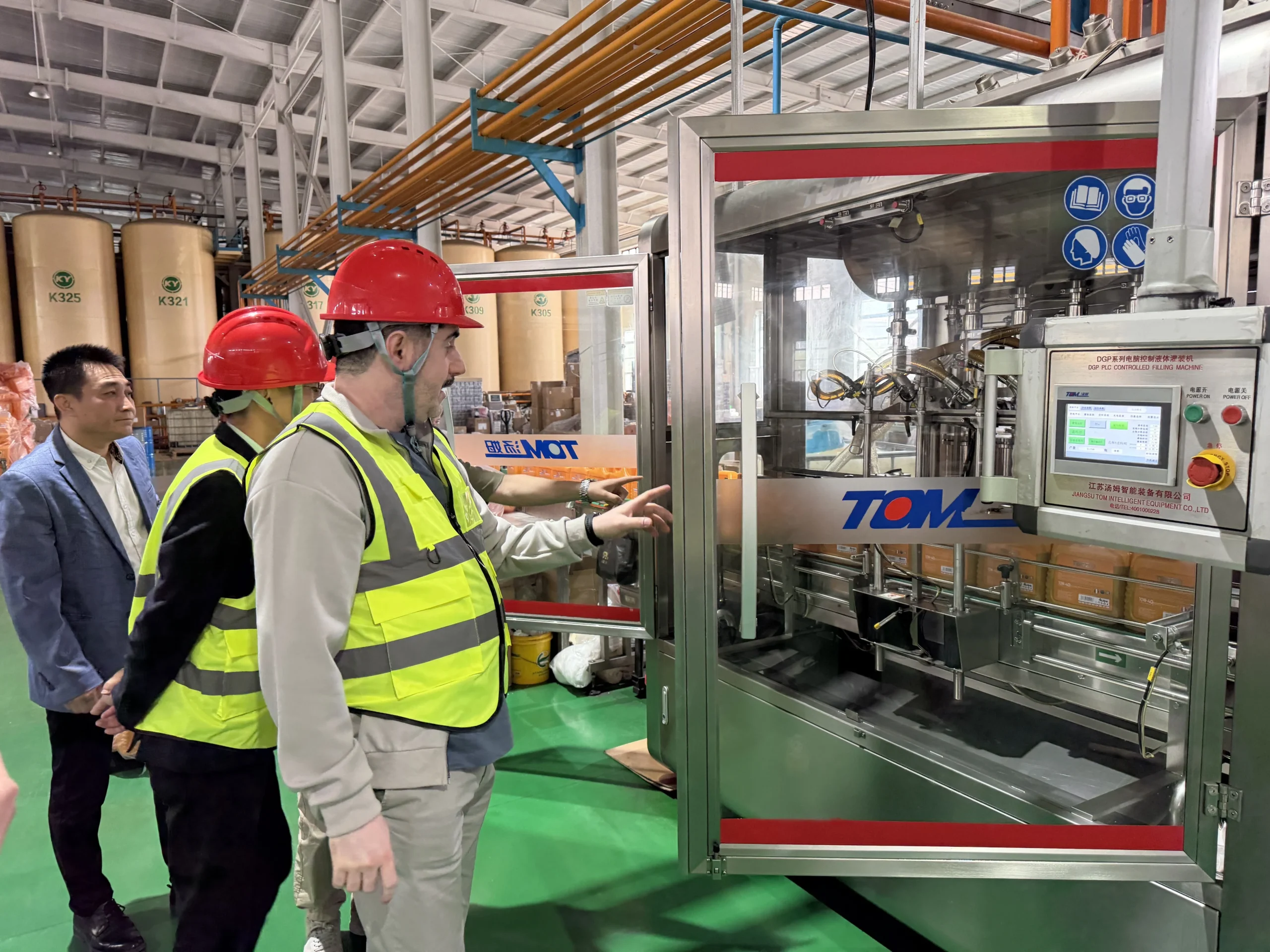
Even a technically sound formulation can still be compromised by poor production practices. TERZO Lubricant Technical Resources In many cases, product quality risks arise not from formulation design, but from inadequate manufacturing control. Cross-contamination may occur when tanks, pipelines, blending vessels, or filling equipment are not properly cleared during product changeovers. Residues from a previous batch can affect viscosity, additive balance, color, friction characteristics, or compatibility with emission after-treatment systems.
This risk becomes more significant when shared production equipment is used for substantially different lubricant categories, including:
- Engine oils and hydraulic oils
- Low-SAPS and high-SAPS engine oils
- Wet-clutch motorcycle oils and friction-modified products
- Automatic transmission fluids and gear oils
- Different viscosity grades
A reliable lubricant quality-control system should therefore include clear production sequencing, line-clearance procedures, flushing standards, batch identification, and documented release approval.
A clean-looking factory alone is not sufficient. Buyers should understand how the manufacturer prevents residual materials from contaminating subsequent batches and maintains batch-to-batch consistency.
8 Filling One Viscosity into Multiple Labels
Incorrect filling or deliberate viscosity mislabeling is one of the clearest lubricant quality risks. A single bulk oil should never be filled into packages labeled with different viscosity grades simply because the packaging format appears similar. Products such as SAE viscosity grades 5W-30, 5W-40, 10W-40 and 20W-50 have distinct viscosity characteristics and are designed for different engines, climates, and operating conditions.
Mislabeling can therefore affect critical performance factors, including:
- Cold-start performance
- Engine oil pressure
- Fuel economy
- Oil consumption
- High-load protection
To reduce this risk, manufacturers should implement robust packaging and release controls, including barcode verification, batch and filling-order management, line clearance before packaging changes, finished-product viscosity testing, retained batch samples, traceable production codes, and final label approval prior to release.
For OEM and private-label buyers, packaging control should be treated as part of technical quality management rather than merely a printing or design issue.
What Quality Risk Means for Different B2B Buyers
A lubricant quality failure creates different commercial risks across the supply chain.
For oil-change centers, it may lead to vehicle returns, additional labor, and loss of customer trust. For workshops, it can result in technical disputes and damage to professional credibility. Retailers may face product returns, negative reviews, and reduced repeat sales.
For distributors, inconsistent quality can weaken channel confidence and make inventory harder to sell. For importers, a single problematic shipment may trigger customer claims, cash-flow pressure, and regulatory exposure.
For OEM and private-label brands, the risk is often more significant: end customers remember the brand on the bottle—not the manufacturer behind the production failure.
This is why purchasing decisions should assess total commercial risk rather than focusing solely on the lowest unit price.

TERZO’s Approach to Consistent Lubricant Supply
1 Working with TERZO
TERZO works with importers, distributors, retailers, workshops, oil-change centers, e OEM partners by aligning product selection with local vehicle applications and operating conditions.
Our focus includes controlled product planning, market-appropriate specifications e viscosities, consistent production, technical documentation, OEM/private-label packaging, e long-term supply support.
Our goal is not to recommend the most expensive formulation, but to help each partner select the right quality level, product category, e supply structure for their market.
2 Quality Is a System, Not a Label
Lubricant quality cannot be judged by a single base oil, additive element, COA value, or package label.
Real quality depends on an integrated system:
qualified raw materials + validated formulation + correct additive dosage + controlled production + accurate packaging + batch traceability + suitable application
For B2B buyers, the right supplier is not simply the one offering the lowest price or the most claims, but one that can clearly explain product composition, application suitability, production control, and quality traceability.
3 Review Your Requirements with TERZO
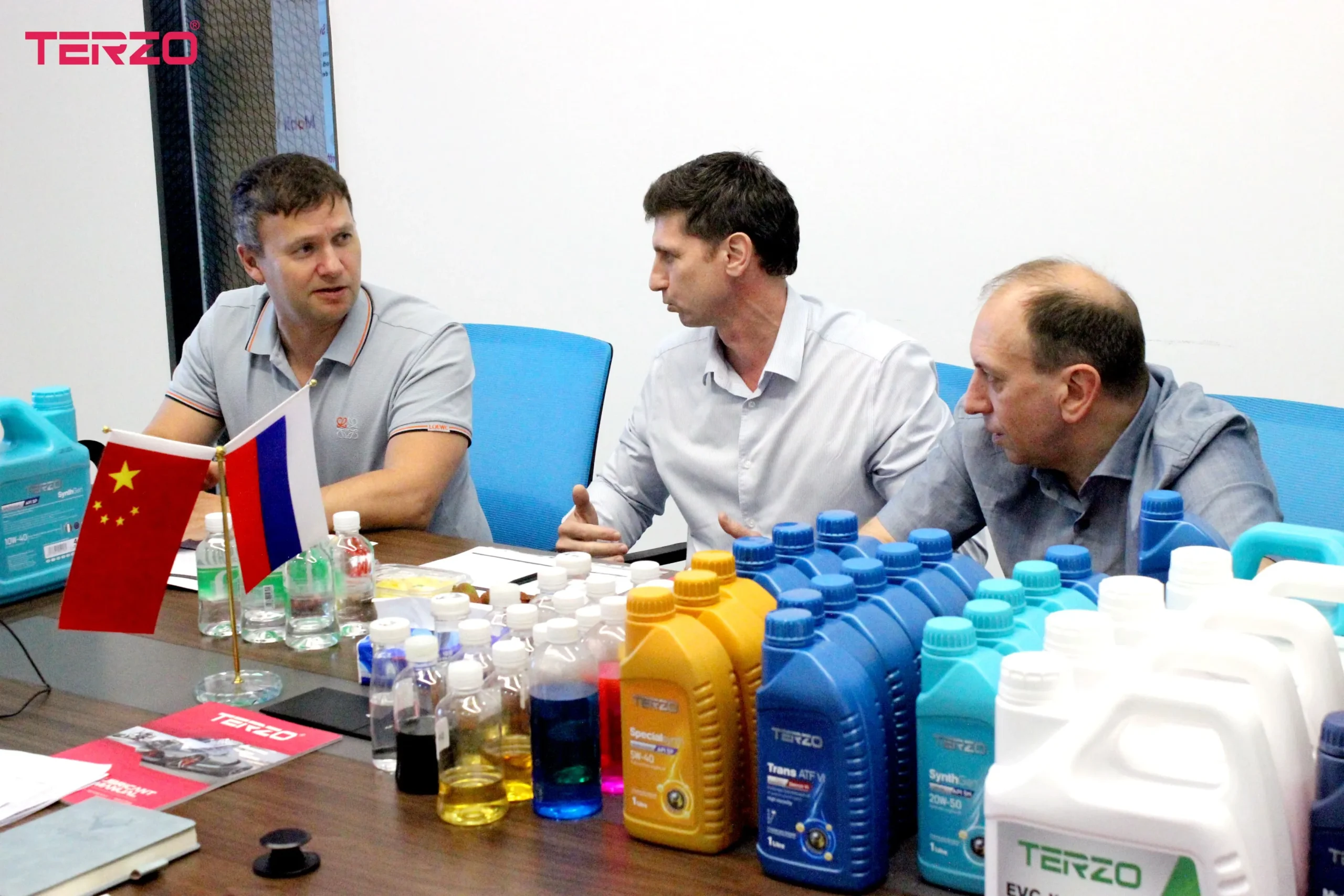
Share your target market, vehicle applications, viscosity grades, required specifications, packaging sizes, and expected order volume with TERZO. Our team can help evaluate your product structure, technical documentation needs, e suitable lubricant supply solution.

Una risposta
Great content! Keep up the good work!