

The global lubricants supply chain has entered a "critical phase"
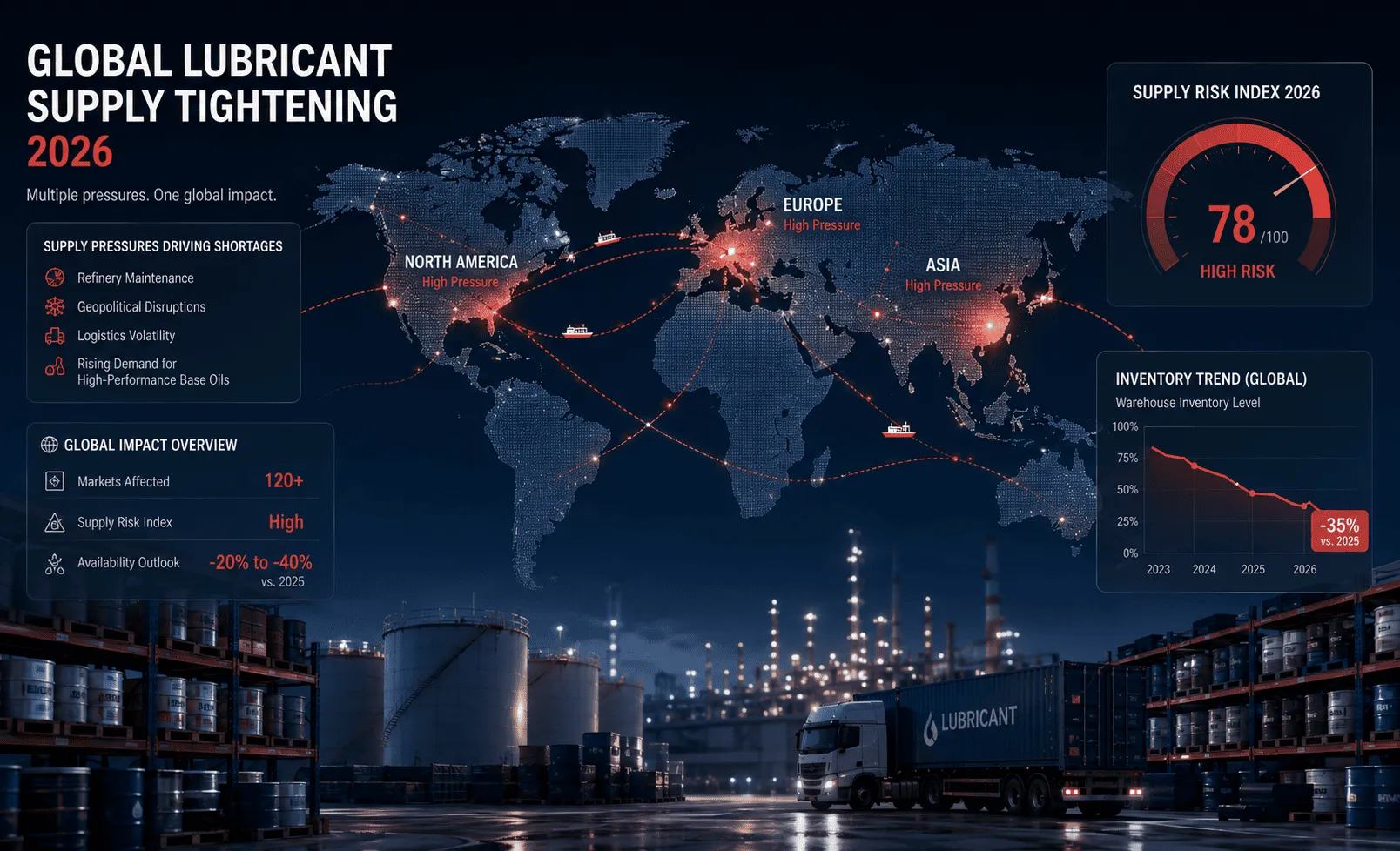
A growing number of distributors and aftermarket retailers are warning about tightening lubricant inventories across multiple regions. The most discussed statement came from AutoZone, where sourcing discussions referenced what some described as “the most severe lubricant supply shortage in modern U.S. history,” with conservative estimates suggesting average product availability could decline by up to 40%.
While the exact number remains debated, the underlying trend is real: global lubricant supply chains are under pressure simultaneously from refinery maintenance, geopolitical disruptions, logistics volatility, and rising demand for high-performance base oils. For distributors, workshops, and fleet operators, the issue is no longer just about pricing. It is increasingly about supply continuity.

1 Why Is the Global Lubricant Supply Tightening?
The current supply disruption is not caused by a single event. Instead, multiple structural pressures are converging simultaneously, creating a more fragile and less predictable global lubricant supply environment. According to reports from the U.S. Energy Information Administration (EIA) and industry pricing platforms such as ICIS Base Oils Market Analysis, spot prices for premium base oils have risen significantly since early Q2 2026. For lubricant manufacturers and industrial buyers, the challenge is no longer limited to pricing fluctuations. The market is increasingly being shaped by availability risks, longer procurement cycles, and growing competition for high-quality base stock.
5 Key factors driving the shortage:
Reduced base oil output
Lower Group II and Group III production from ongoing refinery maintenance in Asia and the Middle East.
Shipping instability
Logistics disruptions linked to ongoing Red Sea route diversion, extending lead times and raising freight costs.
Demand recovery
Strong consumption rebound across Asia and Eastern Europe is outpacing available supply.
Synthetic lubricant shift
Growing adoption of synthetic lubricants is intensifying competition for higher-grade base stocks.
Inventory rebuilding
Distributors accelerating precautionary stockpiling in anticipation of further shortages, amplifying near-term demand.
2 North America Faces Inventory Pressure
The North American aftermarket entered Q2 with lower-than-normal lubricant inventories, raising concerns across distributors, workshops, and fleet maintenance networks. What initially appeared to be a temporary procurement imbalance is now developing into a broader lubricant supply shortage affecting multiple product categories.
Several distributors reportedly increased procurement volumes in May after concerns spread about reduced allocation availability from major suppliers. Retail chains, independent workshops, and fleet service operators accelerated purchasing activity in an effort to secure inventory ahead of peak summer demand.
Why the U.S. Market Is Vulnerable
Risk Factor |
Impact |
|---|---|
High synthetic oil demand
|
Increased reliance on Group III base oil supply
|
Packaging cost increases
|
Higher retail pricing
|
Additive shortages
|
Reduced blending flexibility
|
This growing lubricant inventory shortage highlights how vulnerable the U.S. aftermarket has become to disruptions in the wider global base oil market.
3 Eastern Europe and Russia Seek Alternative Supply Routes
The lubricant market across Russia and Eastern Europe has changed dramatically since traditional European supply relationships weakened. What was once a relatively stable procurement environment has evolved into a more fragmented and regionally diversified supply structure.
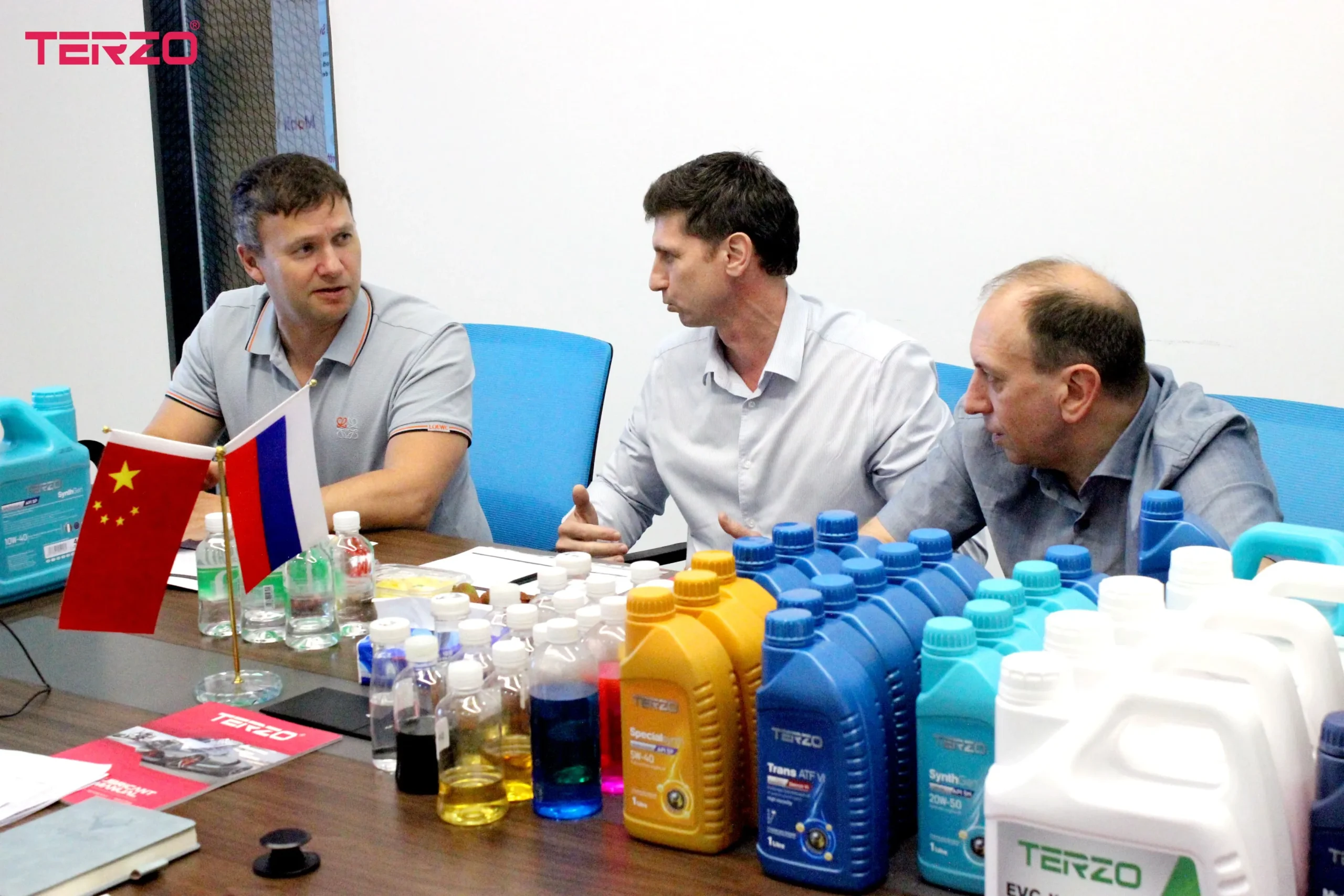
Many distributors across Russia, Central Asia, the Caucasus region and Eastern Europe, have increasingly shifted toward Asian supply channels, especially as buyers prioritize supply continuity, competitive pricing, and stable long-term sourcing partnerships.
For many industrial buyers, the core requirement is now clear: “stable long-term supply matters more than branding alone.” This transition accelerated throughout 2026 as European lubricant supply issues, unstable industrial production, and fragmented logistics routes continued to reshape regional trade flows. As a result, suppliers connected to the broader China petrochemical supply chain have become increasingly important in maintaining product availability. The trend also reflects growing demand for flexible sourcing strategies amid the broader global lubricant shortage 2026 environment.
4 Middle East Tensions Continue Affecting Energy Logistics
Shipping instability around the Red Sea and broader Middle East oil disruption concerns continue to affect freight reliability, transit schedules, and marine insurance costs across global energy markets. Although crude oil pricing remains an important benchmark, the lubricant industry is influenced more directly by specialty refining capacity, additive availability and base oil export flows.
This explains why lubricant price increase 2026 trends have outpaced crude oil itself in several regional markets. The ongoing lubricant supply chain disruption has become especially visible in sectors dependent on premium synthetic formulations and Group III base oil supply, where production flexibility remains limited. For buyers, this environment is creating a shift toward longer procurement planning cycles, diversified sourcing strategies, and stronger partnerships with reliable manufacturers and API certified lubricant suppliers.