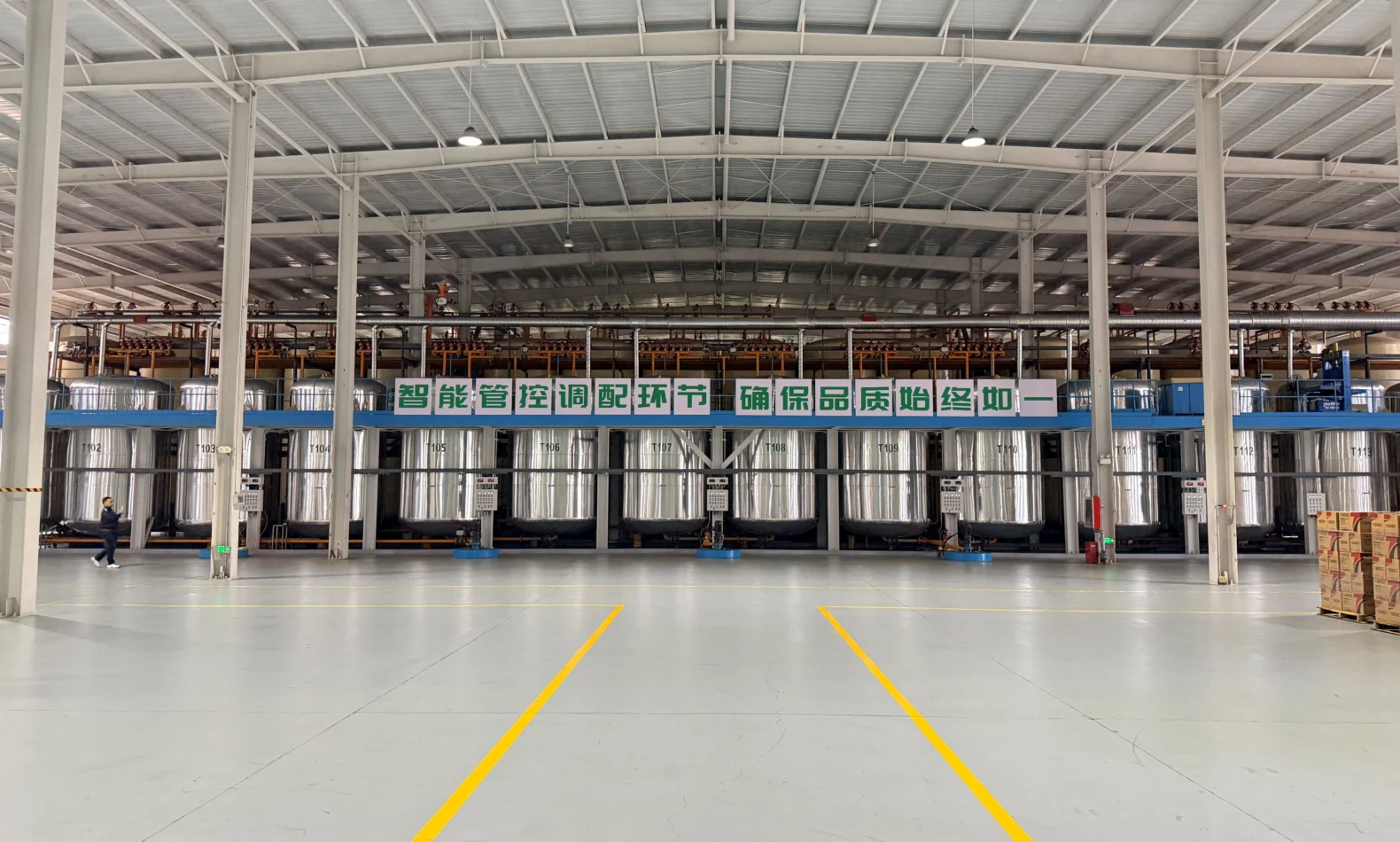

Purchasing bulk order takes more than comparing prices and catalogs. How the oil is made, where it is produced, how quality is controlled, how orders are delivered, and whether the supplier can keep supplying reliably over time.
A lower price may boost short-term margins, but the full process matters more: production planning, quality testing, packaging, export preparation and repeat-order support. These details shape customer confidence, inventory planning and long-term growth. Before confirming a large order, take time to understand the team, process and manufacturing arrangements behind the lubricants you plan to buy. The 8 checks below show you how.
1 Verify the Manufacturer Behind the Brand
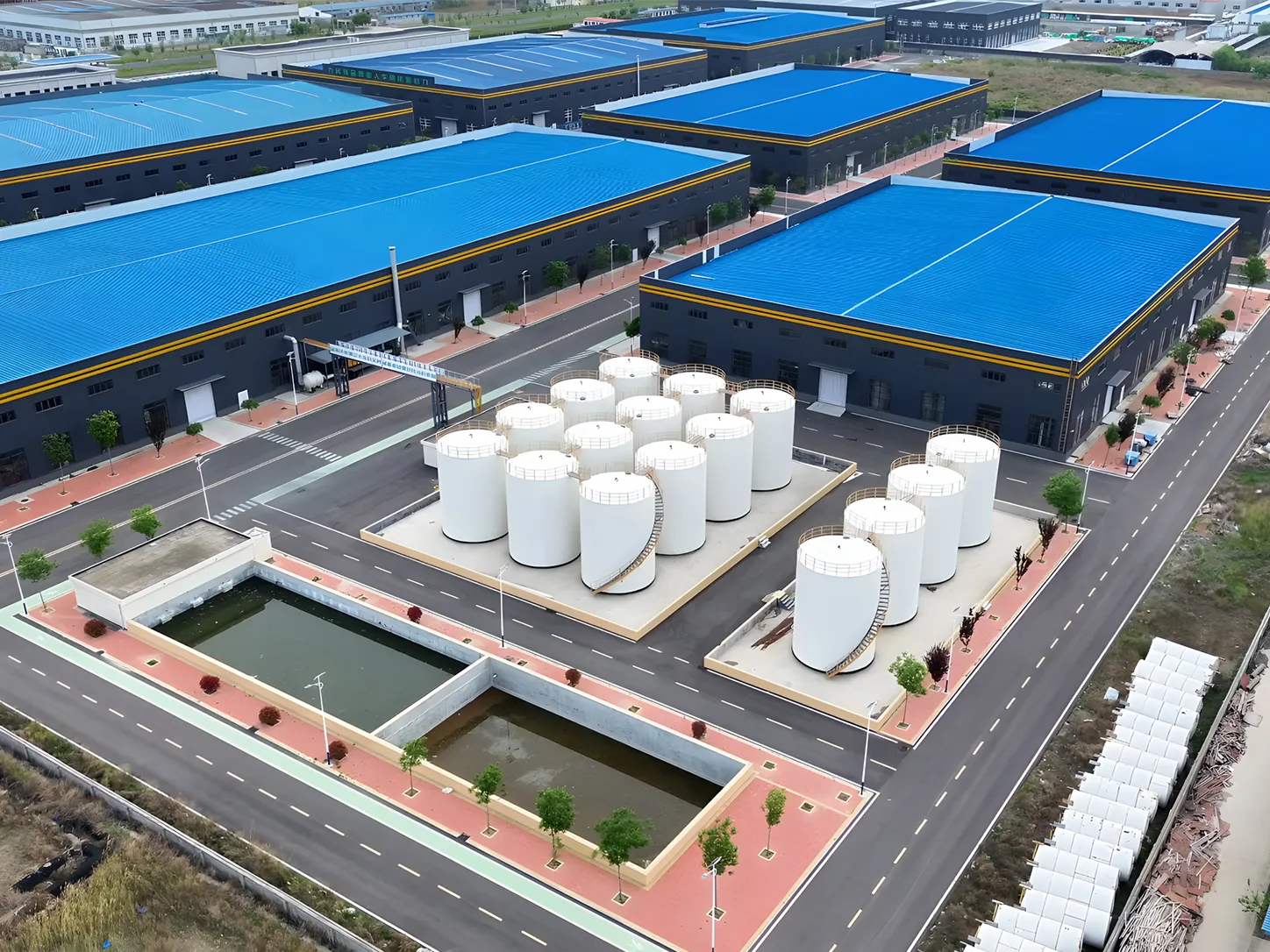
The brand on the packaging is only part of the story. Before a bulk order, know which company handles the order, where the products are made, and who is responsible for production, quality and delivery.
Some suppliers run their own factories; others work with manufacturing partners or combine manufacturing and trading. Neither model is automatically better. What matters is that responsibilities are clear and the supplier can explain each key step: formulation, raw materials, blending, quality control, packaging, fulfillment and after-sales support.
Check the business entity. Ask for the supplier’s registered company name, registration number and jurisdiction. Then compare the quotation, Proforma Invoice (PI), sales contract, commercial invoice and bank beneficiary details. If the company names differ, ask the supplier to explain each entity’s role, and confirm who signs the contract, who receives payment, who issues the invoice and who coordinates shipment. Check everything before you transfer funds.
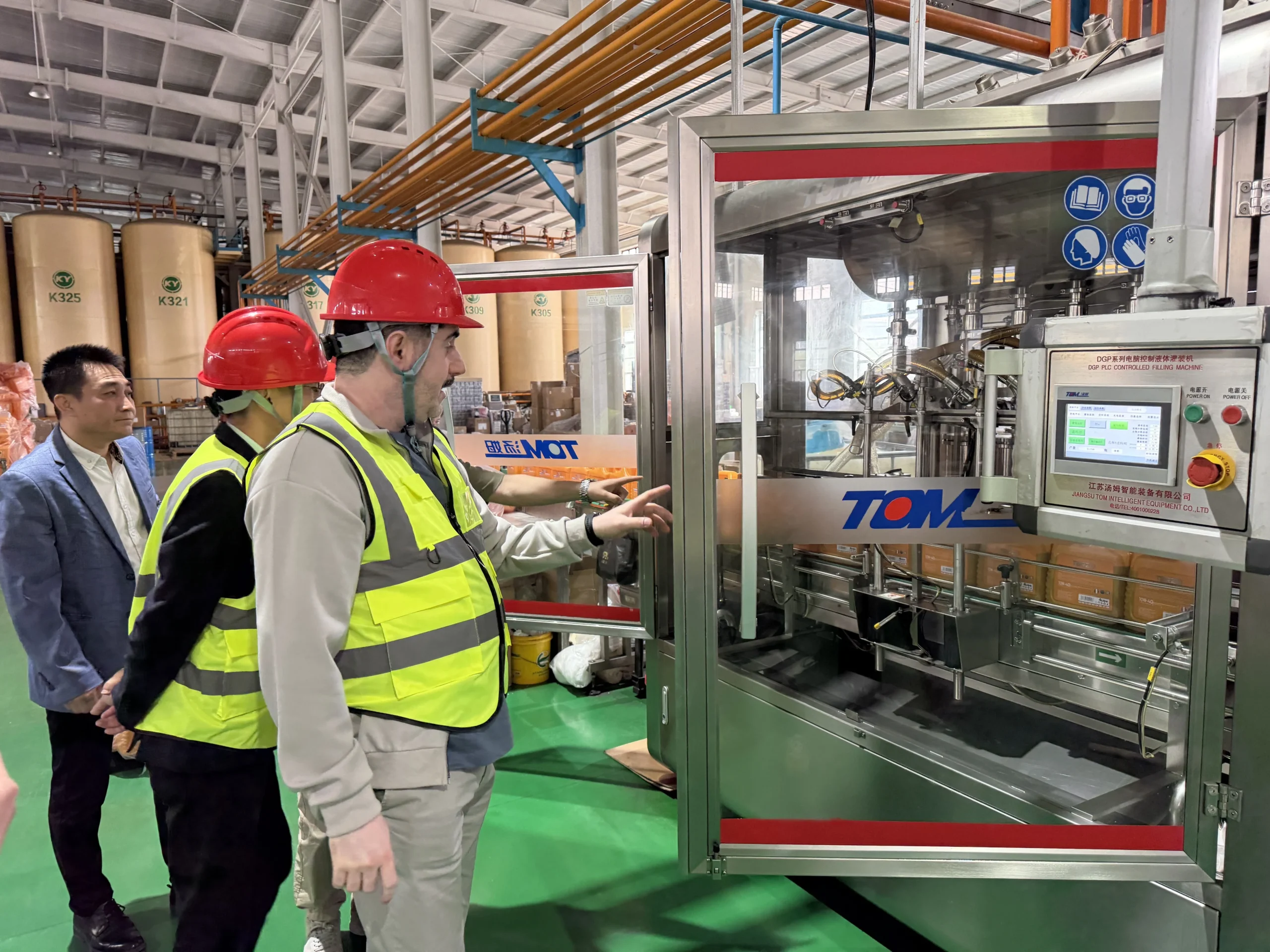
Confirm where your order is actually made. Don’t rely on company introductions and factory photos. Ask whether production takes place at the supplier’s own facility or a long-term partner’s, how specifications and labels are confirmed before production, and whether a live video review, factory visit or third-party inspection is possible. A reliable supplier answers these in practical terms.
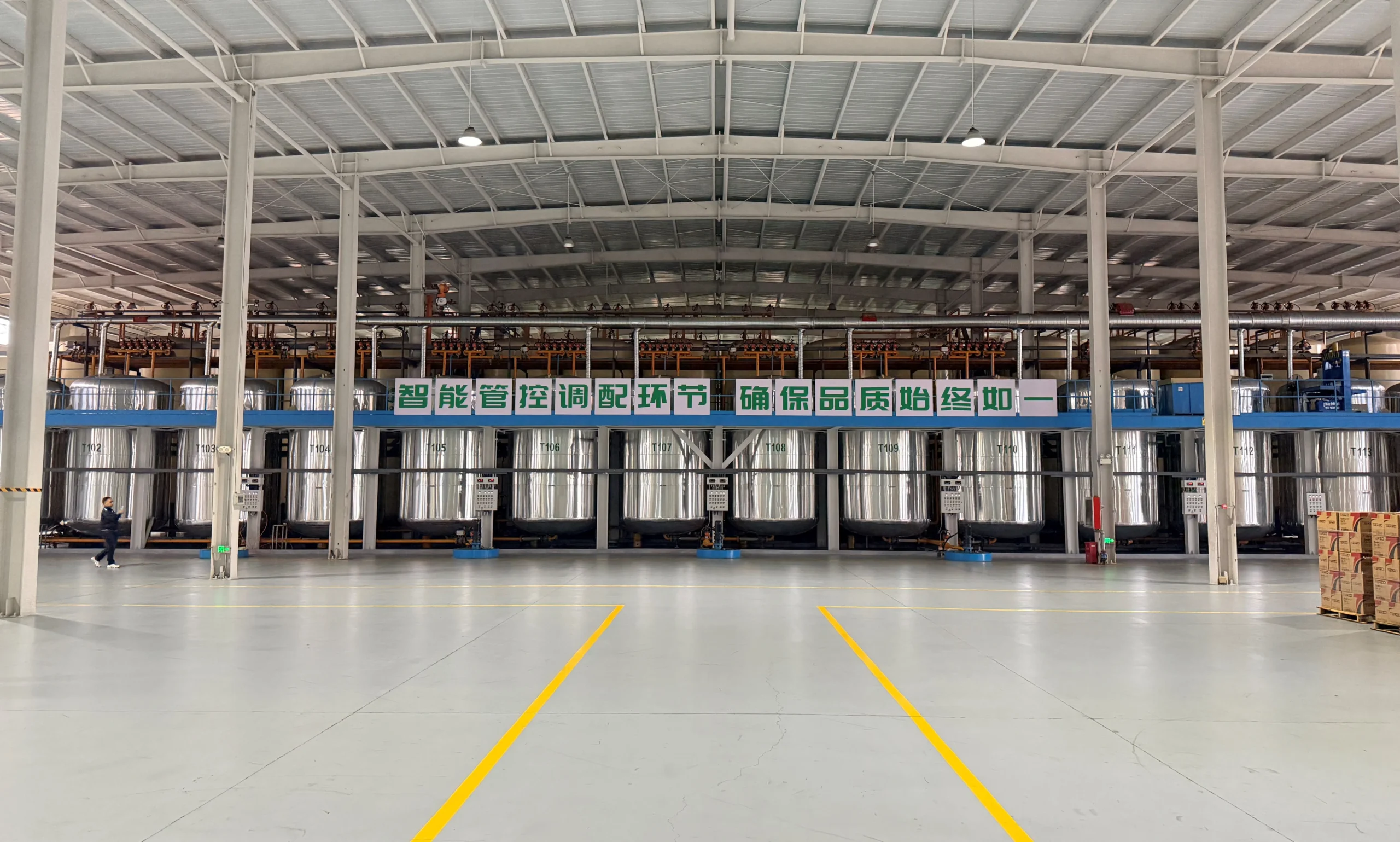
How TERZO works. For TERZO orders, the contracting and payment entity is GUANGDONG ORUN PETROCHEMICAL CO.LTD, while ORUN ENERGY TECHNOLOGY (HK) CO., LTD supports international business. Production is handled by long-term manufacturing partners in mainland China that work closely with TERZO, and TERZO directly coordinates formulation, blending specifications, batch management and quality control. The production facility and order details are confirmed with the buyer for each project. To learn more, visit the TERZO company profile page or the factory page.
2 Check How Quality Is Controlled at Every Stage
Lubricant quality isn’t created at the filling stage. It is built through controls at every step, from raw materials to blending, testing, packaging and batch release. Ask how the manufacturer manages each one, and what records they can share.
Incoming materials
Ask how base oils and additives are identified, stored and checked before use. Clear identification reduces the risk of using the wrong material or mixing incompatible components.
Blending and production
Ask how formulation instructions are issued, how batches are recorded, and how tanks and pipelines are cleaned between products. Poor changeover handling can cause cross-contamination or unintended variation.
Finished-product testing
Not every test applies to every product, Tests should match the product specification and intended application, such as kinematic viscosity, viscosity index, flash point, pour point, TBN or CCS.
Batch release
Ask whether the supplier can provide production records and retained samples are available. You should be able to link the delivered product to its specification, batch information and test results.
Verify product claims
For engine oils with API marks, check licensees and licensed products in the API EOLCS directory. For European performance claims, see the ACEA lubricant guidance and the ATIEL Code of Practice. These help you understand the basis of a claim, but they don’t replace product-specific documents or direct supplier evaluation.
3 Evaluate Quality Control and Batch Consistency | Can the Next Order Match the First?
A good first shipment is encouraging, but distributors build their business on repeat orders. If the next batch differs in specification, packaging or performance, you may face customer complaints, extra checks and replenishment delays.
Traceability
Ask how each batch is identified and recorded. A practical system links product name, grade and batch code to manufacturing and inspection records. Confirm that a batch-specific COA is supplied and that retained samples are kept.
Sample-to-bulk control
Before production, confirm the specification, viscosity grade, performance claims, packaging and label version in writing. Then ask how bulk production is checked against what was agreed, and what happens if a raw material, formulation or process parameter has to change.
Change management
A good supplier reviews changes formally and tells customers about any material difference. You don’t need confidential formulation details, but you do need confidence that changes are assessed rather than made informally.

Consistent specifications, clear batch records and dependable communication across the second, third and later orders are what build a lasting distribution business.
4 Packaging and Export Preparation Matter More Than You Think
Even a product that meets specification can cause problems if packaging and shipment preparation are poor. Leaking containers, damaged cartons, unclear labels, unstable pallets and incomplete documents all add cost after the goods leave the factory.
Packaging configuration. Confirm bottle or drum size, cap and seal, label language, carton strength and packing quantity. If your market requires local-language labels, barcodes or importer details, agree on the artwork and approval process before production, and ask how packaging changes are controlled between repeat orders.
Container loading. Review the packing plan before loading. The supplier should confirm SKU quantities, carton counts, pallet configuration, gross weight and volume, and explain whether the shipment is palletized or floor-loaded and how cargo is protected in transit.
Export documents. Documents must match the goods and the agreed trade terms. Depending on the destination, you may need a commercial invoice, packing list, bill of lading details, TDS, SDS, COA or other market-specific documents. Confirm who prepares each one and when drafts will be available for checking.
Good export preparation helps you receive the right products, clear customs more smoothly and get stock to market with fewer avoidable problems.
5 Evaluate Production Capacity and Supply Reliability
Judge capacity against your actual order, not a headline production figure. Ask whether the supplier can support your product grades, packaging formats and volumes, and whether that capacity is available in your production window.
Stock vs. planned production. Standard products may ship from ready stock, while custom labels, packaging or formulations need a planned run. Ask for realistic lead times for both, and for what could affect the schedule, such as raw material supply, packaging procurement, seasonal demand or export arrangements.
Order flexibility. For distributors entering a new market, a first order may combine several grades or pack sizes. Confirm the minimum order quantity per SKU, whether mixed loading is possible, and how carton, pallet and container quantities are calculated.
Repeat orders. Ask how replenishment is planned and how demand changes are communicated. A reliable partner flags schedule changes early instead of waiting until shipping day to report a foreseeable delay.
Supply reliability isn’t how much a supplier can produce on one busy day. It is how consistently they deliver agreed specifications, practical lead times and repeat orders as your market grows.
6 Test the Supplier Through a Trial Order
If a supplier looks right on paper, a trial order lets you evaluate the whole working relationship before committing to larger volumes. The goal isn’t only to see whether the oil arrives. It is to see how the supplier handles product confirmation, production coordination, documents, packaging and communication.
- Agree on the products. Confirm viscosity grades, performance claims, packaging, label language and target applications. Request the TDS and SDS, and clarify which batch documents will ship with the goods.
- Evaluate the process. Was the quotation clear? Were the PI and packing details accurate? Did production updates arrive when promised? Did the goods match the approved specification and packaging? Were shipping documents correct and on time?
- Review after arrival. Check packaging condition, product identification and documents, and collect feedback from first customers or workshops. Record any issues and discuss them with the supplier before the next order.
A trial order tests the product and the supplier together, and helps both sides close gaps before a larger supply arrangement.
7 Lubricant Manufacturer Evaluation Checklist
Use this checklist to structure your supplier evaluation before a bulk lubricant order. The evidence you need will vary by product, market and order size, but these questions are a practical starting point.
1 Production location
Where will this order be made? Can the facility or production partner be identified?
2 Order responsibility
Who signs the contract, receives payment, issues the invoice and coordinates shipment?
3 Raw material control
How are base oils and additives identified, stored and checked?
4 Blending process
How are formulation instructions, batch quantities and production records managed?
5 Line cleaning
How are tanks and pipelines cleaned during product changeovers?
6 Quality inspection
Which tests apply to this product, and what are the acceptance criteria?
7 Batch traceability
Can the product and its COA be linked to a specific batch?
8 Sample-to-bulk control
How is bulk production checked against the approved specification?
9 Packaging
Are bottle, cap, label, carton and pallet specifications confirmed before production?
10 Export preparation
Who prepares the packing list, invoice and other shipping documents?
11 Lead time and capacity
What are realistic lead times for this order and for repeat orders?
12 After-sales support
Who handles technical questions, quality concerns and corrective actions?
8 How TERZO Approaches Manufacturing and Supply
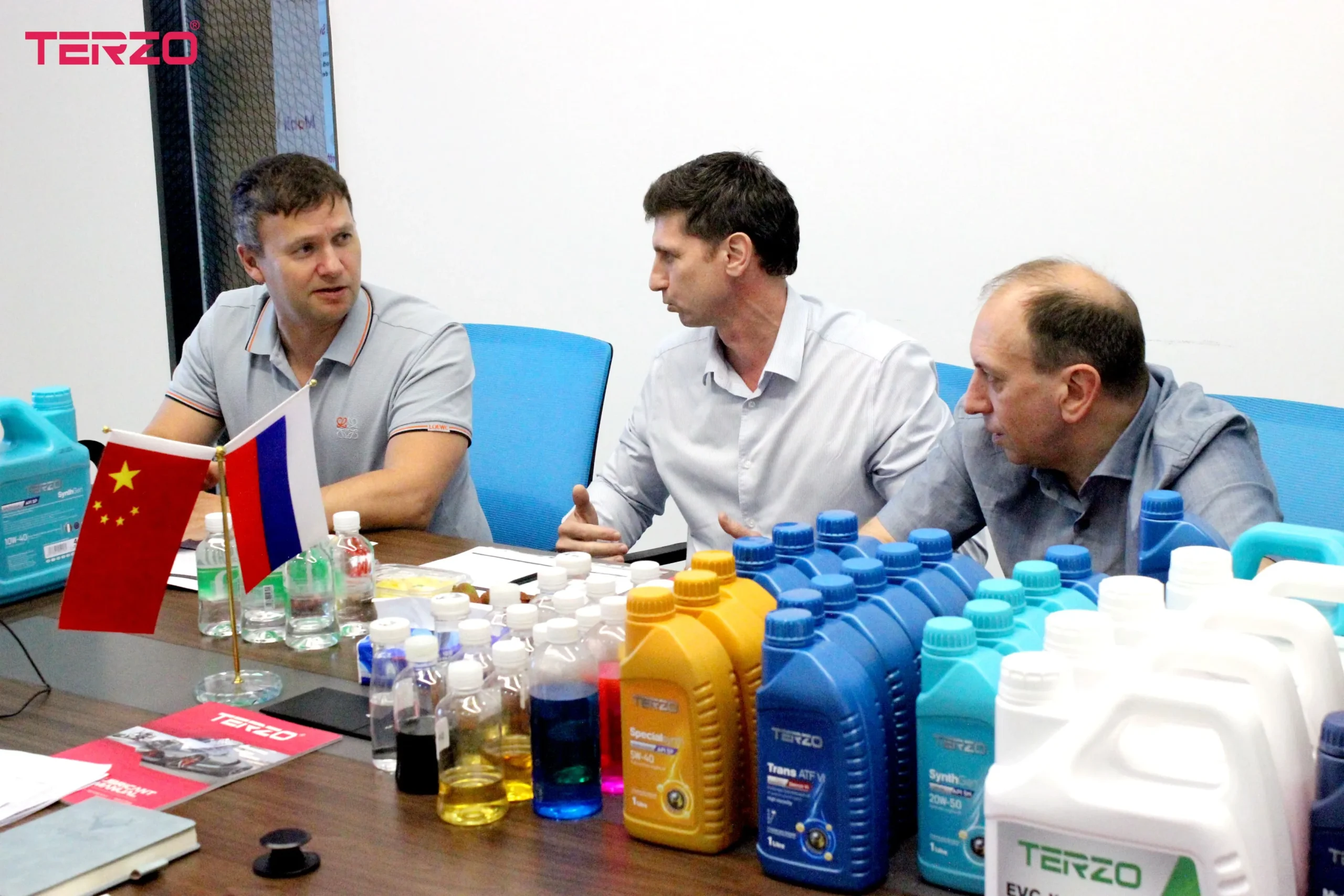
TERZO works with importers, distributors, wholesalers and OEM/ODM buyers who need more than a quotation. A practical supply discussion should cover the product range, manufacturing arrangements, formulation and blending requirements, batch management, packaging and export planning.
For TERZO orders, GUANGDONG ORUN PETROCHEMICAL CO.LTD is the contracting and payment entity, and ORUN ENERGY TECHNOLOGY (HK) CO., LTD supports international operations. Production is handled by long-term manufacturing partners in mainland China that work closely with TERZO, and TERZO directly coordinates formulation, blending specifications, batch management and quality control.
To learn more, review the TERZO company profile for brand and operating background, and the factory page for current manufacturing and supply information. The Trung tâm sản phẩm gives an overview of product categories for different vehicles and equipment.
For a specific project, share your target market, preferred grades, packaging requirements, estimated volume and delivery schedule. That lets the team propose a realistic supply plan instead of a generic quotation.
Look Beyond the First Order
Choosing a lubricant manufacturer for bulk purchasing isn’t just a price comparison. It affects product consistency, inventory planning, customer confidence and the long-term health of your distribution business.
Before your next order, look beyond the quotation. Understand the production arrangement, review the quality process, confirm packaging and export requirements, and ask how the supplier will support repeat orders. A supplier that communicates clearly and handles these details consistently gives your business a stronger foundation.
Looking for a lubricant supply partner? Explore TERZO Global Network, then share your target market, preferred grades, packaging requirements and estimated volume with the TERZO team to discuss a practical supply plan.