
Ever wondered, ¿Cuánto tiempo hay que dejar en remojo en aceite las placas del embrague de una motocicleta?? If you’re wrenching on your bike, swapping out those clutch friction plates, you’ve probably heard about soaking them in oil before slapping them into the clutch basket. It’s one of those little steps that can make or break your bike’s performance. Let’s dive into the why, how, and how long, so you can get your ride back on the road—or the track—without a hitch.
Why Soak Clutch Friction Plates in Oil Anyway?
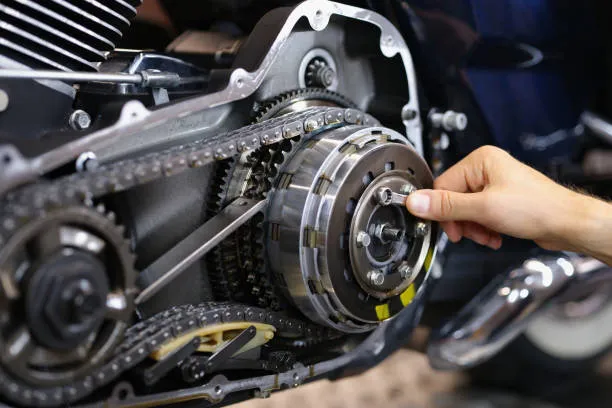
Picture this: your discos de embrague de fricción are like the bread in a sandwich, gripping the clutch’s metal plates to transfer power from the engine to the wheels. A embrague húmedo de discos múltiples, like the ones in most motorcycles, needs oil to keep things smooth and cool. Soaking those friction plates in oil before installation ensures they’re pre-lubed, ready to grip without slipping or burning out. Without this step, you’re asking for jerky shifts or a cooked clutch. Nobody wants that.
So, why oil? The clutch material in oil absorbs just enough to work smoothly with the clutch’s metal plates, reducing wear and heat. Most bikes use mineral oil clutch-friendly oils or synthetic blends, but always check your manual to avoid any oops moments.
¿Cuánto tiempo hay que remojar los discos de embrague de la moto en aceite?
Alright, let’s get to the meat of it: how long to soak clutch plates? The general rule of thumb is to let your clutch friction plates soak for 1 to 2 hours in fresh, clean motorcycle oil. Some mechanics swear by a quick 30-minute dip, especially if you’re in a rush, while others say overnight (8-12 hours) for maximum absorption. The sweet spot? About an hour or two does the trick for most fiber clutch plates.
Don’t just dunk and done, though. Make sure the plates are fully submerged in a clean container of oil—same stuff you’re using in your bike. Too short a soak, and the plates might not absorb enough oil, leading to grabby shifts. Too long, and you’re just wasting time, as the friction plates won’t soak up much more after a couple of hours.

How to Operate a Multi-Plate Wet Clutch Like a Pro
Before you start soaking, it’s worth understanding how a embrague húmedo de discos múltiples works. These clutches use a stack of friction plates and steel plates that engage and disengage to control power delivery. The oil acts as a lubricant, cooling the plates and ensuring smooth engagement. When you soak the discos de embrague de fricción, you’re prepping them to mesh perfectly with the steel plates, avoiding that dreaded clutch slip or drag.
Pro tip: When installing, handle the plates carefully to avoid contamination. Lay them out evenly, and don’t skimp on the oil quality—cheap oil can degrade the clutch material in oil faster than you’d like.
Common Mistakes When Soaking Friction Plates
We’ve all been there—trying to cut corners and ending up with a clutch that feels like it’s throwing a tantrum. Here are a couple of rookie moves to avoid:
Using the wrong oil: Not all oils are mineral oil clutch-friendly. Stick to what your bike’s manual recommends, usually a motorcycle-specific oil like 10W-40 o el 10W-50.
Soaking too briefly: A quick dip might seem fine, but if the fiber clutch doesn’t absorb enough oil, you’ll get uneven clutch engagement.
Dirty oil or containers: Contaminants can wreck your friction plates. Use fresh oil and a clean tray.
Don’t reuse old oil from your engine—it’s full of gunk that’ll do more harm than good.

A Few Extra Tips for Clutch Longevity
Soaking your clutch friction plates is just one piece of the puzzle. To keep your clutch happy:
1. Check the plates for wear before soaking. If they’re glazed or worn thin, replace them.
2. After soaking, let excess oil drip off before installation—don’t want a sloppy clutch.
3. Double-check your clutch basket and pressure plate for notches or wear, as these can mess with performance even if your friction plates are soaked perfectly.
If you’re new to this, don’t be shy about asking a seasoned mechanic for advice. A smooth clutch is worth the effort.
Wrapping It Up: Get Those Plates Soaked Right
Así que.., ¿Cuánto tiempo hay que dejar en remojo en aceite las placas del embrague de una motocicleta?? Intenta dedicarle entre 1 y 2 horas en un lugar limpio, aceite específico para bicicletas, y ya estás listo. Ya sea que estés reconstruyendo un embrague húmedo de discos múltiples o simplemente cambiar las piezas desgastadas discos de embrague de fricción, este sencillo paso puede ahorrarte un montón de problemas con el deslizamiento, el agarrotamiento o el desgaste del embrague. Tómate tu tiempo, usa el aceite adecuado y tu moto te lo agradecerá con cambios suaves y un motor en plena forma. ¡Ahora, ponte manos a la obra y devuélvele la vida a tu moto!