
تكلفة شراء مواد التشحيم: لماذا قد يؤدي السعر المنخفض إلى انخفاض الأرباح؟
أقل تكلفة شراء مواد التشحيم يمكن أن يجعل عرض الأسعار أكثر تنافسية، لكن التوفير المبين في الفاتورة ليس سوى الجزء الأول من النتيجة التجارية. ولا تتضح الربحية الفعلية إلا بعد وصول المنتج إلى الموزعين وورش العمل وأساطيل المركبات والمستخدمين النهائيين.
ما الذي يمكن أن يمحو المبلغ الذي تم توفيره في البداية؟
- الشكاوى وعمليات الاستبدال التي تتسبب في تكاليف إضافية تتعلق بالتسليم والاختبار والتعويضات.
- المخزون الذي يتحرك ببطء والخصومات المتكررة التي تضعف التدفق النقدي وهامش الربح.
- عدم اليقين التقني وضعف الطلبات المتكررة التي تقلل من ثقة فريق المبيعات والعملاء.
انخفاض السعر لا يعني بالضرورة انخفاض الجودة. يمكن تحقيق وفورات حقيقية من خلال النطاق، والأتمتة، والتعبئة المعيارية، وكفاءة شراء المواد الخام، وتحسين الخدمات اللوجستية. دراسة حديثة تحليل تكاليف المدخلات في صناعة مواد التشحيم كما يتضح من ذلك أن أسعار الزيوت الجاهزة تتأثر بالزيوت الأساسية، والمواد المضافة، ورسوم الشحن، والتعبئة والتغليف — وليس بعامل واحد فقط.
السؤال الأساسي ليس ما إذا كان السعر منخفضًا، بل لماذا هو منخفض. ينبغي على المشترين تحديد ما إذا كانت الميزة تنبع من الكفاءة التشغيلية أم من خفض جودة التركيبة، أو الاختبارات، أو مراقبة الإنتاج، أو التوثيق، أو متانة التغليف، أو الدعم ما بعد البيع.

1. ما الذي يحدد فعليًّا سعر زيت التشحيم؟
لا يُعد زيت التشحيم النهائي مجرد زيت أساسي يتم تعبئته في زجاجة. فسعره يعكس المواد الخام المستخدمة، وطريقة تطوير التركيبة، وإجراءات الرقابة المطبقة أثناء الإنتاج، والدعم الفني والتجاري اللازم لتوفيره بشكل مستمر.
تشمل العناصر الرئيسية للتكلفة عادةً الزيوت الأساسية، وتكنولوجيا المواد المضافة، وتطوير التركيبات، واختبار الأداء، ومراقبة الإنتاج، والتعبئة والتغليف، والتوثيق، ودعم التصدير. وتؤثر هذه العوامل مجتمعةً على كل من عرض الأسعار المقدم من المورد وأداء المنتج بعد طرحه في السوق.
تركيب الزيت الأساسي
عادةً ما يمثل الزيت الأساسي جزءًا كبيرًا من مادة التشحيم النهائية. ويؤثر نوعه وجودته وتركيبته على أداء الزيت في درجات الحرارة المختلفة، ومدى مقاومته للأكسدة والتبخر، ومدى فعاليته في الحفاظ على اللزوجة أثناء الاستخدام.
ولهذا السبب، فإن مادتي تشحيم تحملان نفس درجة اللزوجة 5W-30 ليستا متساويتين بالضرورة.
قد يستوفي كلا المنتجين متطلبات اللزوجة عند اختبارهما كزيت جديد، لكن تركيبات الزيت الأساسي فيهما قد تختلف اختلافًا كبيرًا. ويمكن أن تصبح هذه الاختلافات أكثر وضوحًا أثناء الاستخدام من خلال معدل استهلاك الزيت، وأداء التشغيل على البارد، ومقاومة الأكسدة، والحفاظ على اللزوجة، والقدرة على ضمان الالتزام بفترة تغيير الزيت المقررة.
توضح درجة اللزوجة كيفية تدفق الزيت ضمن نطاق معين من درجات الحرارة. وهي لا تعطي صورة كاملة عن جودة التركيبة، أو متانتها، أو مدى ملاءمتها للاستخدام.
نظام المضافات
ويُعد نظام الإضافات جزءًا مهمًا آخر من التركيبة. وعادةً ما تحتوي زيوت المحركات على مزيج متوازن من المنظفات، والمشتتات، وعوامل مقاومة التآكل، ومضادات الأكسدة، ومعدِّلات اللزوجة، ومخفضات درجة الانسياب، ومثبطات التآكل، ومكونات مقاومة الرغوة.
لا يعني ارتفاع تركيز المادة المضافة بالضرورة أن الزيت يصبح أفضل. يجب أن تتوافق مجموعة الإضافات مع الزيوت الأساسية المختارة، وأن تتناسب مع نوع المحرك وبيئة التشغيل ومستوى الأداء المطلوب والفترة الزمنية المتوقعة بين عمليات الصيانة.
يمكن في بعض الأحيان خفض التكلفة عن طريق تقليل معدل إضافة المواد المضافة أو استخدام تركيبة لا تتناسب تمامًا مع الاستخدام المقصود. وقد يبدو الزيت الجديد مقبولًا خلال الاختبارات الأساسية، لكن الفرق قد يظهر لاحقًا عند الاستخدام الفعلي.
قد يفقد الزيت قدرته على التنظيف في وقت أبكر، أو يتأكسد بسرعة أكبر، أو يوفر حماية أقل استقرارًا من التآكل وتحكمًا أقل استقرارًا في اللزوجة مع اقتراب نهاية فترة تغيير الزيت.
يصعب تحديد هذه الاختلافات عندما تقتصر المقارنة على السعر ودرجة اللزوجة وقائمة قصيرة من المواصفات.
تطوير التركيبات والادعاءات المتعلقة بالأداء
يجب أن تكون الادعاءات المتعلقة بالأداء الواردة على ملصق مادة التشحيم مدعومة بأدلة تقنية مناسبة. ومع ذلك، يتعين على المشترين أيضًا أن يدركوا أن العبارات المستخدمة على الملصق لا تعكس جميعها نفس مستوى التحقق.
قد تبدو مصطلحات مثل “معتمد” و“يفي بالمعايير أو يتجاوزها” و“موصى به لـ” و“مناسب للاستخدام” متشابهة عند إجراء مقارنة سريعة بين المنتجات، لكنها قد تشير إلى أنواع مختلفة من الدعم الفني. أ مناقشة بين أعضاء مجتمع النفط حول الموافقات وصياغة بنود الأداء يُظهر ذلك أن حتى مستخدمي مواد التشحيم ذوي الخبرة يتساءلون بانتظام عن الكيفية التي ينبغي بها تفسير هذه العبارات.
وهذا لا يعني أن كل منتج لا يحمل موافقة رسمية من الشركة المصنعة للمعدات الأصلية (OEM) هو منتج غير مناسب. فقد تكون بعض التركيبات مدعومة باختبارات أداء معترف بها، أو ببيانات من موردي المواد المضافة، أو بأدلة فنية أخرى، دون أن تكون قد خضعت لعملية موافقة محددة من الشركة المصنعة.
و شرح من قطاع الصناعة بشأن اعتمادات زيوت التشحيم من قبل الشركات المصنعة للمعدات الأصلية (OEM) يوضح هذا الفرق العملي: فقد يشير زيتان إلى مستوى أداء مشابه، في حين أن أحدهما فقط هو الذي اجتاز عملية الاختبار والموافقة التي يشترطها مصنع سيارات معين.
بالنسبة للمستوردين والموزعين، لا يتمثل الهدف في اختيار المنتج الذي يحتوي على أطول قائمة بالمواصفات. بل إن السؤال الأكثر فائدة هو ما إذا كانت المزاعم المطروحة مناسبة لمجموعة المركبات المستهدفة، وظروف التشغيل، وفترة الصيانة المتوقعة، ومستوى السعر.
اعتمادًا على المنتج والسوق، قد تشمل الأدلة الداعمة أوراق البيانات الفنية، وشهادات التحليل، ومعلومات الترخيص السارية، وخطابات الموافقة من الشركات المصنعة للمعدات الأصلية (OEM)، ونتائج المختبرات، ووثائق موردي المواد المضافة، وسجلات التركيبات، ووثائق دفعات الإنتاج.
كما يجب على المشترين التأكد من أن المستندات الداعمة تتطابق تمامًا مع درجة اللزوجة والتركيبة ونوع العبوة ودفعة الإنتاج التي يتم توريدها. فالوثيقة الصحيحة من الناحية الفنية لا تتمتع بقيمة شرائية تذكر إذا كانت تخص منتجًا مختلفًا أو تركيبة سابقة.
والهدف من ذلك ليس جمع أكبر مجموعة ممكنة من الشهادات، بل التأكد من أن المنتج الذي يتم شراؤه يتوفر لديه الأدلة المناسبة لاستخدامه المقصود، وأن المورد قادر على شرح معنى كل ادعاء متعلق بالأداء بوضوح.
الإنتاج ومراقبة الجودة
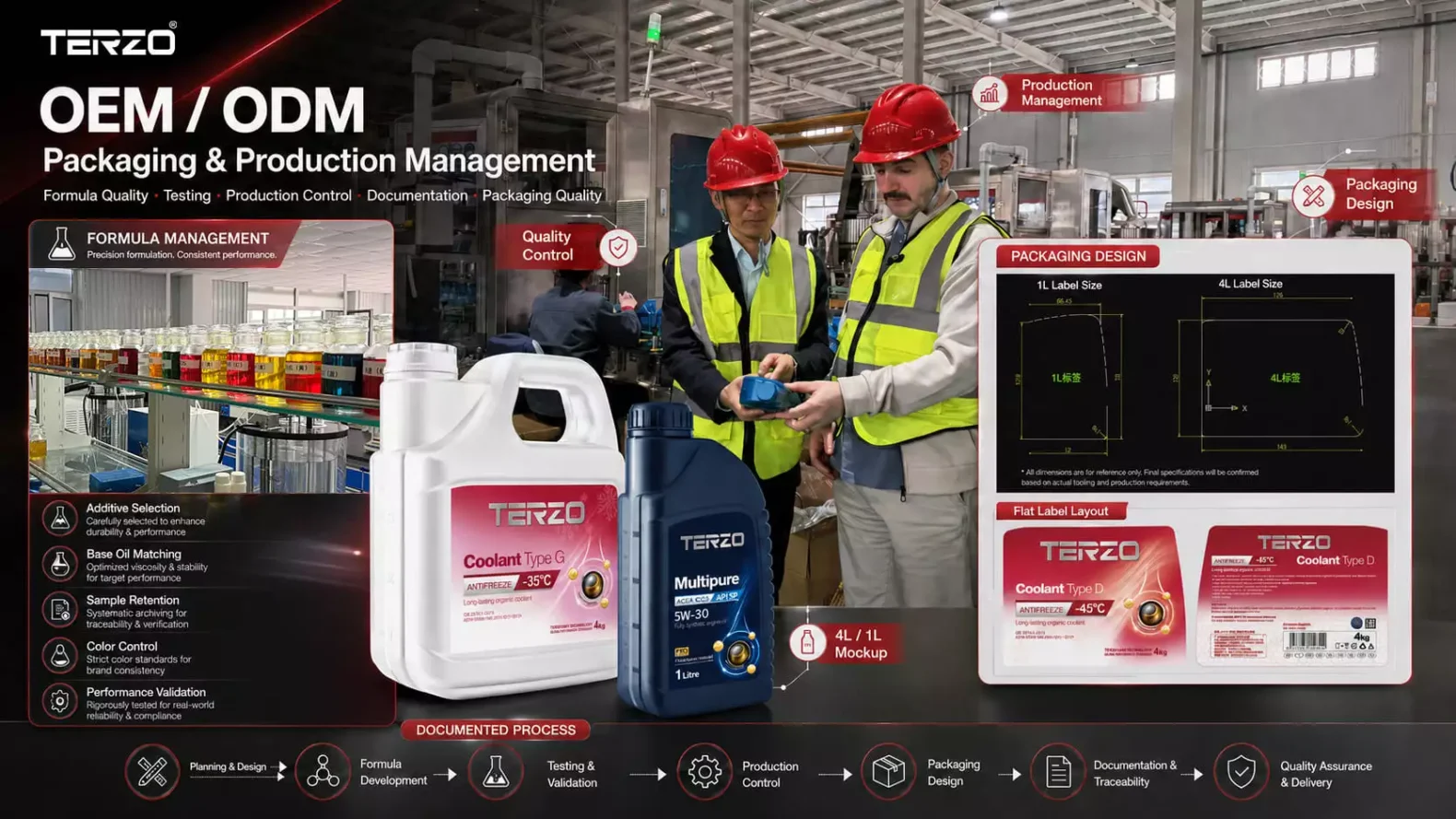
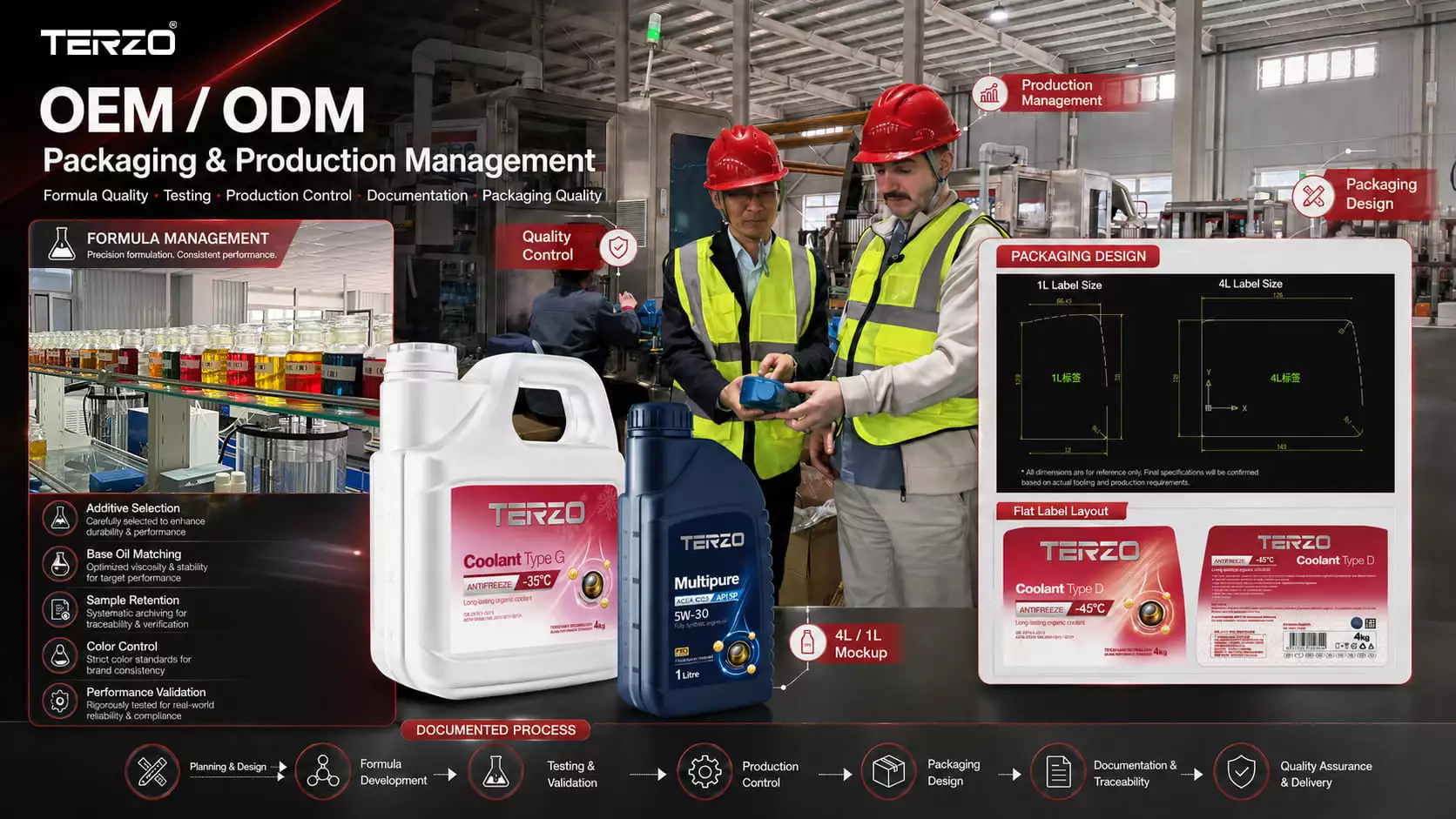
ويشمل جزء من سعر مادة التشحيم أيضًا تكلفة الأنظمة المستخدمة لضمان اتساق كل دفعة مع التي تليها.
These controls may include raw-material inspection, blending supervision, batch testing, retained samples, tank and pipeline cleaning, filling accuracy, packaging inspection, batch coding, and product traceability.
Technical documents should also correspond with the product being supplied. A TDS, SDS, or COA has limited value when it does not accurately reflect the formulation, production batch, or market version received by the buyer.
Recent industry reporting on lubricant purchasing due diligence has also highlighted the importance of checking active approvals, current product data, recent formulation changes, and written support for expressions such as “suitable for use.”
Most of these controls are not visible on the front label. Their value becomes clearer when an importer or distributor receives repeated shipments over a longer period.
A lower-priced product may perform adequately during the first order. Problems usually become more costly when batch consistency, packaging reliability, documentation, or traceability begins to vary across later shipments.
The resulting cost may appear through customer complaints, product replacements, customs delays, additional testing, or weaker confidence among distributors and end users.
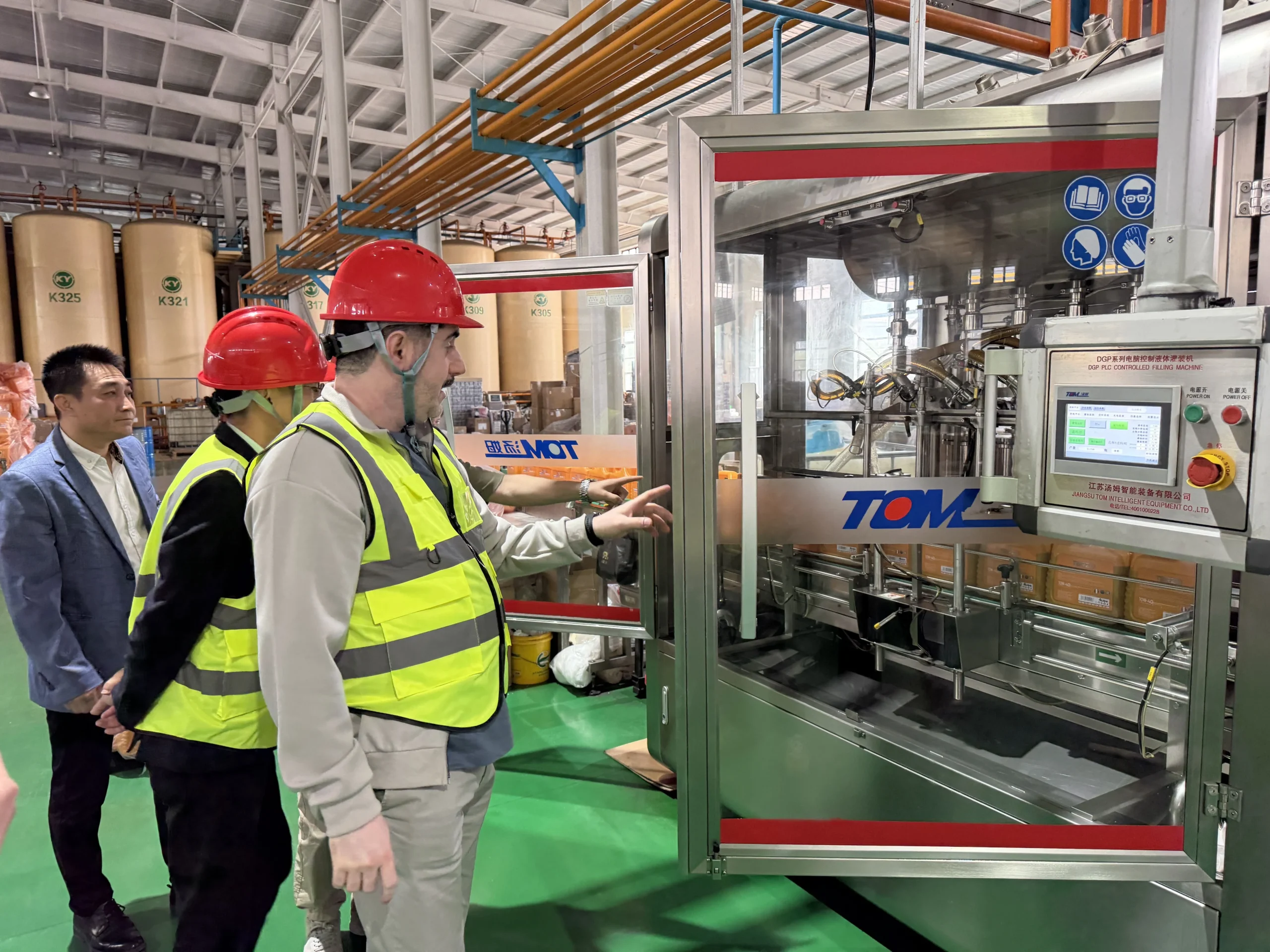
For this reason, buyers should look beyond the sales presentation. Reviewing the supplier’s factory, production process, testing procedures, document control, and traceability system can provide a clearer understanding of how the quoted price is achieved.
Buyers evaluating TERZO can also review the TERZO factory and production process before discussing product specifications, trial orders, and long-term supply planning.
When a lubricant quotation is noticeably below the normal market range, the first question should not simply be:
“Can the price be reduced further?”
A more useful question is:
“What allows the supplier to offer this price, and which parts of the product or supply process have made that cost possible?”
2. Lower Lubricant Purchase Cost: Efficiency or Risk Transfer?
A competitive quotation can be reasonable when the supplier reduces cost through larger-volume purchasing, automated blending and filling, better equipment utilization, standardized packaging, efficient warehousing, and stronger loading plans.
Those efficiencies can lower production and delivery costs without weakening the formulation. The risk begins when the supplier cannot clearly explain how the price advantage has been achieved.

Four areas deserve closer review when a quotation is unusually low:
- Base-oil route: an unsuitable combination can affect low-temperature flow, volatility, oxidation resistance, and viscosity retention.
- Additive treatment: reducing or mismatching the package can weaken detergency, dispersancy, wear protection, and shear stability.
- Testing and batch control: basic viscosity or density checks may not support every performance claim, and weak traceability makes repeat-order consistency harder to verify.
- Packaging strength: lighter bottles, thinner seals, and weaker cartons may reduce cost but increase leakage, deformation, and returns.
و industry overview of finished-lubricant formulation explains that base oils form most of the product while additives provide essential performance functions. This is why two oils with the same viscosity grade can still differ significantly in durability, application fit, and production cost.
Buyers should also distinguish between wording such as “approved,” “meets requirements,” “recommended for,” and “suitable for use.” A real product announcement from Castrol lists formal manufacturer approvals separately from broader “meets” statements, showing why similar-looking claims should not automatically be treated as equivalent.
A competitive price should be supported by a clear cost structure. Savings created through efficiency benefit both parties. Savings created by weakening formulation control, testing, packaging, or traceability simply transfer more operational risk to the importer or distributor.
3. Why Can a Lower Purchase Cost Reduce Distributor Profit?
The purchase cost is visible on the invoice; the later costs are spread across sales, customer service, logistics, inventory, and channel management.
A single product complaint may involve replacement stock, additional delivery costs, laboratory testing, customer compensation, and time from both the sales and technical teams. Several similar cases can quickly use up the savings created by a lower purchase price.
The impact may also extend beyond the direct cost of handling complaints.
When workshops, retailers, or fleet customers become uncertain about a lubricant, they may not stop purchasing immediately. Instead, they may ask for lower prices, free replacement stock, longer payment terms, or additional promotional support before agreeing to continue selling or using the product.
Once a product depends heavily on discounts and incentives to move through the channel, the distributor’s expected margin begins to narrow.
Sales-team confidence is another factor that is often overlooked.
Salespeople generally prefer products that are easy to explain, generate fewer after-sales issues, and lead to repeat orders. When a product becomes difficult to recommend or requires frequent clarification, sales teams may gradually shift their attention toward another brand, product line, or category.
The stock may still be sitting in the warehouse, but the people responsible for selling it may no longer feel confident presenting it to customers.
Inventory turnover also has a direct effect on profitability.
A product with a high margin per bottle but only two inventory turns per year may generate less cash than a product with a moderate margin that turns five or six times during the same period.
For distributors, annual turnover, reorder frequency, and the speed at which stock returns to cash can be more meaningful than the theoretical margin shown on a single unit.
Problems with one product can also influence confidence in the rest of the range. A dispute involving one engine oil may lead customers to question the supplier’s ATF, gear oils, coolants, diesel engine oils, motorcycle oils, other viscosity grades, or even the wider brand relationship.
| What Buyers See During Purchasing | Possible Profit Loss Later |
|---|---|
| Lower unit price | Complaints, replacements, and compensation |
| Higher expected margin | Additional discounts and promotional support |
| Lower initial order value | Slower inventory turnover and weaker cash flow |
| Lower-cost packaging | Leakage, damage, and product returns |
| Broad performance claims | More technical explanation and trust-building costs |
| Lower supplier quotation | Batch inconsistency and weaker repeat orders |
A lower purchase cost is not necessarily a bad decision. However, it should be evaluated together with the costs of selling, supporting, replacing, discounting, and restocking the product.
The real cost may not appear on the first invoice, but it can become visible over the full sales cycle.
4. Buyers Should Calculate the Total Purchasing Cost
A basic purchasing calculation usually focuses on two figures:
Quantity × Unit Price
This is useful for comparing quotations, but it does not show the full cost of bringing a lubricant into the market and selling it successfully.
For B2B buyers, a more practical calculation may include:
Total purchasing cost = product cost + logistics and inventory costs + complaints and returns + sales discounts + working-capital costs + customer loss and brand recovery
Not every buyer needs to build a detailed financial model around these items. The main purpose is to look beyond the initial invoice and consider what happens during the full sales cycle.
For example, two lubricants may have similar purchase prices, but one may provide more consistent batches, stronger packaging, fewer complaints, faster inventory turnover, clearer technical support, and better repeat-order performance.
In that situation, the product with the slightly higher unit price may still create a lower operating cost and a more stable margin.
The cheapest first order does not always produce the best commercial result.
A lubricant that can be sold with confidence, supported without excessive effort, replenished regularly, and recommended repeatedly is more likely to create lasting value for the importer or distributor.
5. How Can Buyers Decide Whether a Lower Cost Is Reasonable?
The first step is to understand where the supplier’s cost advantage comes from.
A supplier does not need to disclose its complete formulation or other commercially sensitive information. However, it should be able to give a clear explanation of the product’s general base oil route, additive-system positioning, intended performance level, production controls, packaging configuration, technical-document support, and normal production lead time.
This information helps buyers determine whether the lower quotation is supported by production efficiency and a suitable product structure.
Before placing a bulk order, buyers should normally review the essential product and batch documentation, including:
- TDS — Technical Data Sheet
- SDS or MSDS — Safety Data Sheet
- COA — Certificate of Analysis
- Product specifications
- Batch coding and traceability information
- Relevant licenses, approvals, or supporting test information
The required documents will vary by product, market, and application. Their purpose is not simply to complete a purchasing file, but to confirm that the product being discussed, sampled, and supplied is clearly defined.
Viscosity alone is not enough to evaluate a lubricant.
Depending on the product type and the claims being made, buyers may also need to review technical indicators such as viscosity index, pour point, flash point, evaporation loss, total base number, HTHS viscosity, shear stability, and oxidation resistance.
Not every indicator is equally important for every lubricant. The focus should remain on the properties that are relevant to the intended application, operating conditions, and service interval.
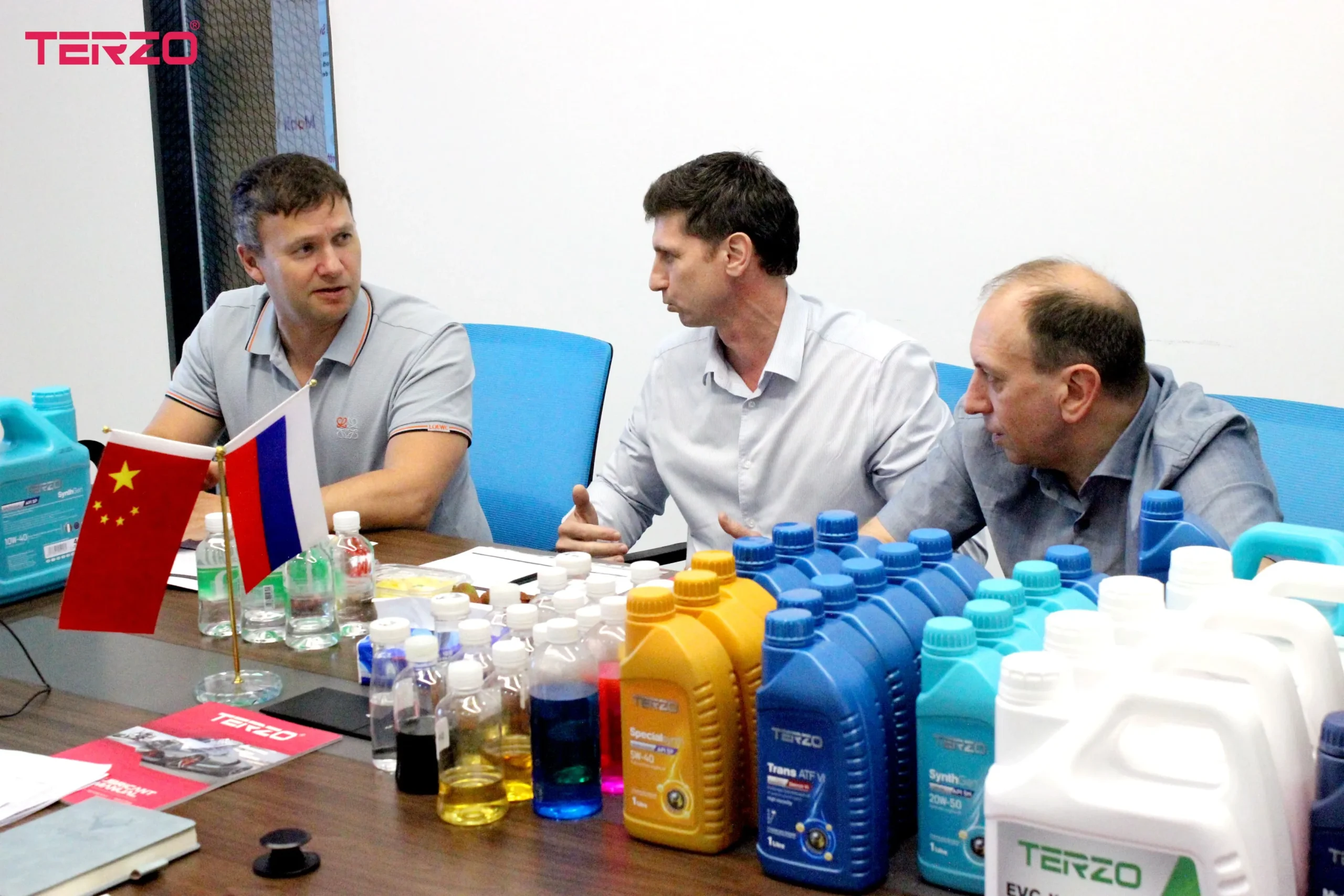
Buyers should also look beyond a single sample. A good sample can confirm that a supplier is capable of producing one acceptable batch, but it does not automatically prove that later shipments will remain consistent.
Before moving forward, buyers should confirm whether the approved sample and bulk production use the same formulation, whether retained samples are kept, how batch records are managed, and whether significant raw-material or formulation changes will be communicated.
It is also important to understand how the supplier handles a complaint. The product should be traceable to a specific production batch, with enough information available to investigate the issue and compare it with retained samples and production records.
For many buyers, a controlled trial order provides more useful information than committing immediately to a large first shipment.
A trial order allows the importer or distributor to evaluate not only the lubricant itself, but also packaging strength, transport performance, document accuracy, workshop acceptance, supplier response, inventory turnover, and the likelihood of repeat orders.
The trial range should remain focused. Buyers can select a small number of products that reflect the main demand in their market rather than introducing too many viscosities and categories at once.
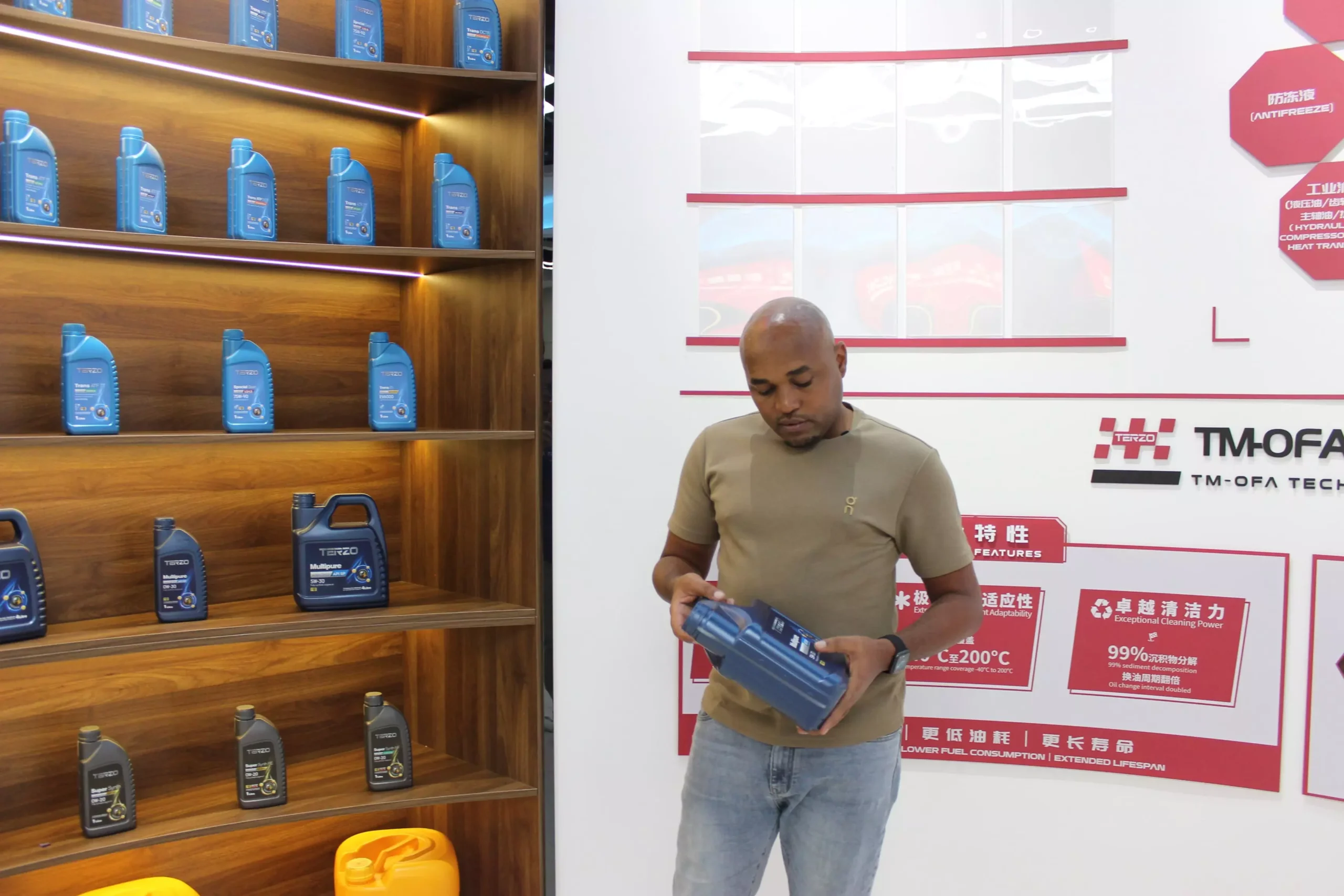
When planning a trial order, buyers can review the TERZO passenger car engine oil, زيت محرك السيارة التجاريةو motorcycle oil ranges to build a product mix suited to their target customers and sales channels.
6. What Kind of Lubricant Supports Long-Term Distributor Profit?
The most suitable lubricant for a distributor is not necessarily the most expensive one. It is the product that can support a stable commercial cycle—from the first order to market acceptance, repeat sales, and regular replenishment.
Each product series should have a clear role in the market. Its formulation, performance level, price, packaging, and sales channel should match a defined vehicle group, operating condition, and customer need.
An entry-level lubricant can be designed around cost control, but it still needs to provide the basic reliability expected by the market. This includes suitable engine protection, a stable formulation, consistent production batches, dependable packaging, and accurate technical documentation.
A well-positioned entry-level product is not simply a premium lubricant offered at a lower price. It is a product developed for a specific application and customer group, with a realistic balance between performance, price, and service expectations.
Consistency is particularly important for repeat business. Customers should be able to reorder the same product without having to question changes in appearance, packaging, technical data, or performance from one shipment to the next.
The commercial structure also needs to work for every part of the distribution chain. Importers, regional distributors, wholesalers, retailers, and workshops all require enough margin to stock, promote, recommend, and support the product.
When a lubricant can only be sold through repeated discounts, free stock, or short-term promotions, the problem may not be the product price alone. Its market positioning, channel strategy, or customer fit may also need to be reviewed.
For buyers managing several lubricant categories, it is usually more effective to build the range around actual market demand than to introduce a full catalogue at the beginning.
Buyers can review the مركز منتجات التشحيم «TERZO» and select a focused range based on local vehicle types, operating conditions, price segments, and sales channels. A smaller, clearly positioned range is often easier to explain, stock, sell, and replenish.
7. How TERZO Approaches Purchasing Cost and Channel Profit
TERZO does not treat purchasing cost as a competition to offer the lowest quotation. A low price may help secure a first order, but it does not by itself support stable sales, repeat purchasing, or long-term channel growth.
The aim is to help buyers build a product range that fits their market, can be supplied consistently, and remains practical to sell and replenish over time.
In practice, TERZO focuses on matching base oils and additive systems with the intended product positioning, while maintaining batch records, retained samples, and supporting documents such as TDS, SDS, and COA.
Product planning also considers local vehicle populations, climate conditions, price segments, packaging needs, and sales channels. This helps avoid introducing products that look complete in a catalogue but do not match actual market demand.
Consistency is equally important. Buyers need confidence that repeat shipments will remain stable in formulation, packaging, technical information, and product positioning.
For a new market, the more practical approach may be to begin with a focused selection of fast-moving viscosity grades and product categories. This allows the buyer to test market response, inventory turnover, and customer acceptance before expanding the range.
For established distributors, the priority may be different. It could involve improving replenishment planning, combining several product categories in one shipment, reducing slow-moving inventory, or developing a qualified second supply source.
TERZO’s approach is to combine suitable formulations, controlled production, clear market positioning, and practical supply planning. The purpose is not simply to reduce the unit price, but to help buyers manage the wider purchasing and operating risks that affect channel profit.

8. Ten Questions to Ask Before Purchasing Lubricants
Before comparing quotations or confirming a bulk order, buyers should ask a few practical questions about the product, production process, and repeat-supply system.
The purpose is not to request confidential formulation details. It is to confirm that the supplier can clearly explain what is being supplied, how quality is controlled, and whether the product can remain consistent over time.
What general base oil route is used in the product? The supplier should be able to explain the type and positioning of the base oil system without disclosing the complete formulation.
Is the additive system suitable for the intended performance level and application? The package should match the base oils, vehicle type, operating conditions, and expected service interval.
What technical evidence supports the claims shown on the label or product page? This may include licenses, OEM approvals, laboratory results, recognized performance data, or formulation records.
Can the supplier provide accurate TDS, SDS, and COA documents? The documents should correspond with the actual product, market version, and production batch being supplied.
Are production samples retained and linked to individual batches? Retained samples help both parties investigate later questions or compare repeat shipments.
Will the approved sample and bulk order use the same formulation? Buyers should confirm that the sample represents the product they will actually receive, rather than a separately prepared version.
How will significant raw-material or formulation changes be communicated? Buyers should understand whether changes that may affect performance, documentation, or approvals will be disclosed in advance.
How does the supplier maintain consistency between repeat orders? This may involve raw-material inspection, controlled blending, batch testing, filling checks, traceability, and retained samples.
How are product complaints investigated and resolved? A reliable process should identify the affected batch, review production records, examine retained samples, and provide a clear response.
Can the product support repeat sales, not only an attractive first order? Buyers should consider whether the product can maintain customer acceptance, channel confidence, inventory turnover, and regular replenishment over time.
Clear answers to these questions do not remove every purchasing risk, but they give buyers a more complete basis for comparing suppliers than unit price alone.
Conclusion: Purchase Cost Determines Investment; Stability Determines Return
A lower purchase cost is not necessarily a problem. When the price advantage comes from scale, automation, standardized packaging, efficient production, and better supply-chain management, it can help distributors improve competitiveness without reducing product reliability.
The concern is not whether a lubricant is inexpensive, but how the lower cost has been achieved.
When savings depend on weaker base oil selection, reduced additive-system support, limited testing, unreliable packaging, poor traceability, or insufficient after-sales support, the initial price advantage may be offset later in the sales cycle.
The buyer may spend less on the first shipment but lose margin through customer complaints, slower inventory turnover, additional discounts, weaker sales-team confidence, lower channel trust, and fewer repeat orders.
Purchase cost determines how much capital is required to bring a shipment into the market. Product consistency, supply reliability, and customer acceptance determine how effectively that capital produces a return.
For importers and distributors, the better purchasing decision is therefore not always the lowest quotation. It is the product and supplier combination that can support stable sales, manageable operating costs, and repeat business over time.
Compare Long-Term Profitability, Not Only Purchase Price
A suitable lubricant range should reflect the market in which it will be sold—not simply the number of products available in a catalogue.
TERZO works with importers, distributors, and OEM/ODM buyers to plan product ranges based on local vehicle populations, fast-moving viscosity grades, operating conditions, packaging requirements, target price segments, and sales channels.
The proposal can also cover trial-order selection, category combinations, technical documentation, packaging options, and replenishment planning, helping buyers evaluate both the initial purchase cost and the longer-term commercial potential of the range.
Contact TERZO for a Product and Supply Proposal tailored to your market.