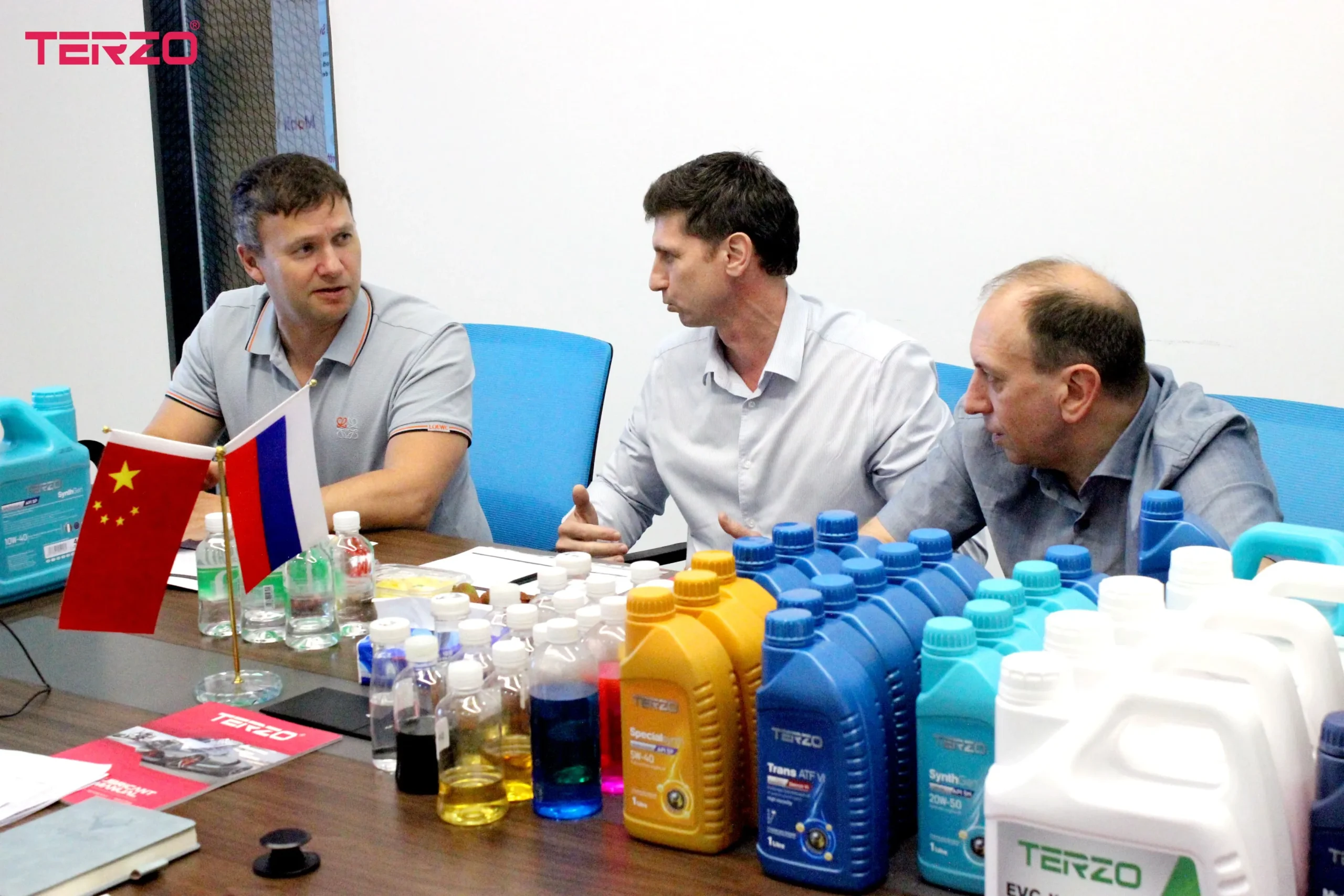


A practical guide for lubricant importers, distributors, wholesalers, fleet operators, workshop chains, and OEM or private-label buyers.
Choosing a lubricant supplier is rarely as simple as comparing price, viscosity grade, and packaging.
A lower quotation is not necessarily a warning sign. It may come from better production efficiency, stronger purchasing power, or a more mature supply chain. But buyers should also ask a more difficult question: where has the cost been reduced?
Has the supplier saved money through scale and efficiency, or by cutting back on base oil quality, additive performance, laboratory testing, packaging control, technical documentation, and after-sales support? The quotation may look similar on paper, but the risks behind it can be very different.
For importers, distributors, wholesalers, fleet operators, and workshop chains, choosing the wrong supplier does not only affect one shipment. It can lead to inconsistent products, more customer complaints, slower inventory turnover, damaged channel confidence, fewer repeat orders, and lower long-term profitability.
A reliable lubricant supplier is therefore not simply a company that can deliver oil at an acceptable price. It is a partner that can repeatedly deliver the agreed formula, packaging, documentation, quality standard, and lead time - and remain accountable when a problem appears after delivery.
The real question is not only, “How much does this product cost?” It is also, “What will this supplier cost us if consistency fails?”

1. Check Product Quality and Formula Consistency
Look Beyond What the Label Says
A professional-looking label can tell buyers the viscosity grade, performance claim, and intended application. What it cannot show is how the product was formulated - or whether the next batch will be made to the same standard.
Buyers should therefore look beyond the words printed on the package. What type of base oil route is being used? Does the additive system genuinely match the claimed performance level? How does the manufacturer control variation between batches?
Claims related to واجهة برمجة التطبيقات, ACEA, JASO, or OEM requirements should not exist only as marketing language. They should be supported by clear technical specifications, relevant documentation, and an explanation of how the product is designed to perform in its intended application.
A reliable lubricant supplier should be able to explain the product in practical terms: its viscosity characteristics, performance level, suitable equipment or vehicle types, operating conditions, and recommended use.
There is also another question that buyers often overlook: what happens when base oil prices rise or certain additives become difficult to source?
Does the supplier continue producing according to the agreed formula, or quietly adjust raw materials to protect the quotation? Formula consistency matters most when market conditions become difficult, because that is when the difference between a stable manufacturer and a short-term supplier becomes visible.
Verify Quality Through Evidence
Lubricant quality cannot be confirmed by packaging appearance alone. Two products may look equally professional on the shelf while being very different in formulation control, production discipline, and batch consistency.
Technical Data Sheets (TDS), Certificates of Analysis (COA), batch records, test results, and traceability information provide buyers with a stronger basis for checking whether the delivered product matches what was originally approved.
Documents do not automatically guarantee quality, but the absence of clear documentation should raise questions.
When a supplier cannot explain what is inside the product, how it was tested, or how a specific batch can be traced, the buyer is not only purchasing lubricant - they are also accepting uncertainty.
2. Evaluate the Quality-Control System of a Reliable Lubricant Supplier
Product quality does not begin with the final laboratory test. It is built - or lost - at every stage from raw-material receiving to blending, filling, coding, and shipment.
A dependable automotive lubricant supplier should therefore operate a documented quality-control process covering the entire production chain. Buyers do not need access to confidential formulas, but they should be able to understand one important issue: how does the supplier prevent avoidable mistakes?
For example, how are incorrect raw materials prevented from entering production? How are blending instructions controlled? How does the factory avoid using the wrong bottle, label, carton, or product code? Who has the authority to change a formula, and is that change recorded and approved?
These questions matter because many lubricant problems are not caused by one dramatic failure. They begin with small control gaps - a mixing error, an unapproved material substitution, an incorrect label, insufficient filling, a loose cap, or a batch that was released without proper testing.
Important quality-control points usually include:
- Incoming inspection of base oils, additives, bottles, labels, caps, and cartons
- Controlled formula management and clearly issued blending instructions
- Monitoring during blending, storage, transfer, and filling
- Laboratory testing before finished products are approved for release
- Checks for filling volume, sealing, coding, labeling, and carton condition
- Batch numbering, retained samples, production records, and product traceability
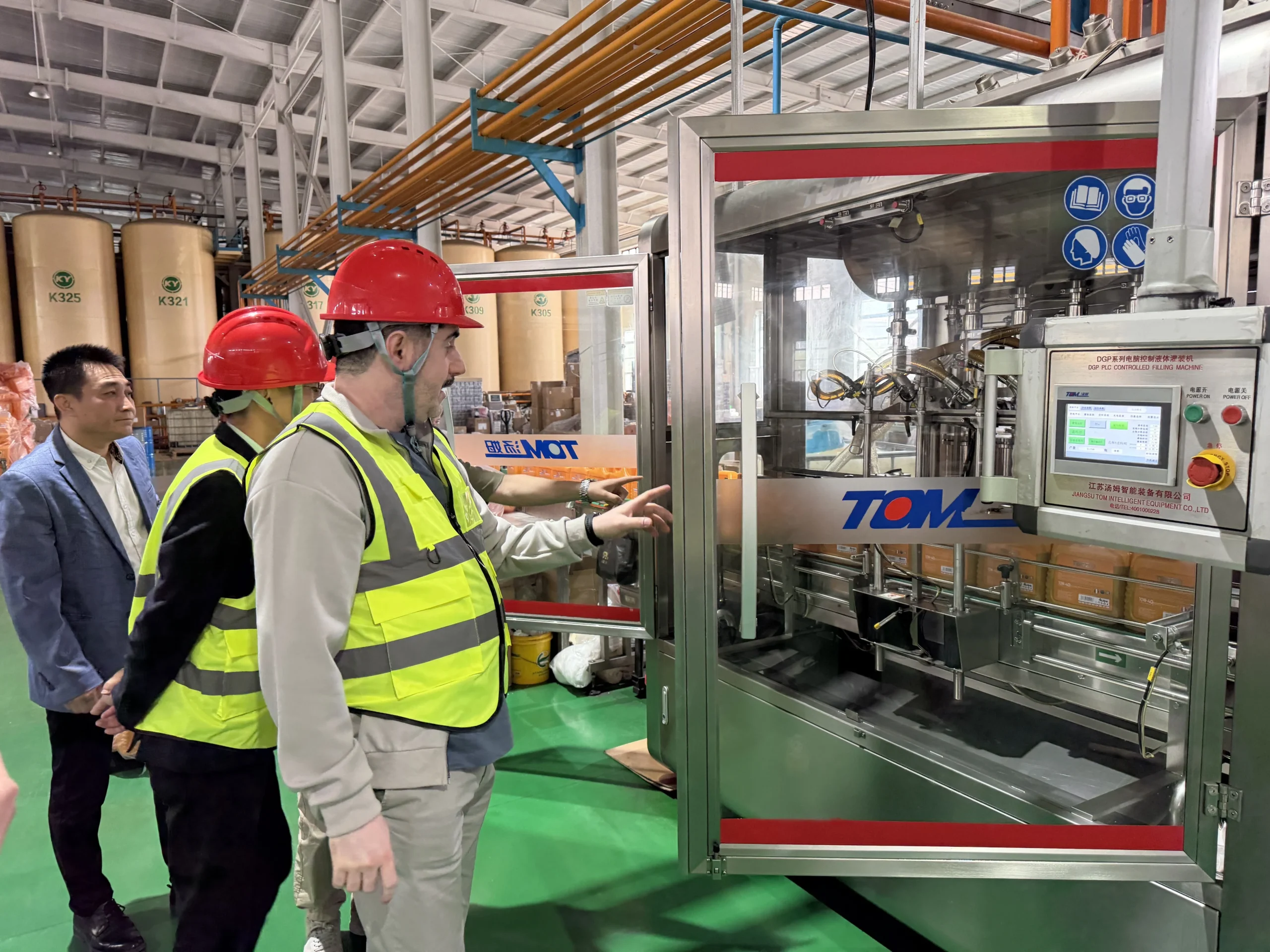
The presence of equipment alone does not prove that quality is controlled. A laboratory is only useful when testing is carried out consistently, results are recorded, and non-conforming products are prevented from being shipped.
For buyers, a strong quality-control system provides more than technical reassurance. It reduces the chance that inconsistent products, packaging errors, or untraceable batches will reach customers and become complaints that the distributor must solve.
A useful question to ask is this: if a problem appears six months after delivery, can the supplier identify the batch, review the production records, test the retained sample, and provide a clear explanation?
If the answer is unclear, the buyer may be carrying more of the quality risk than they realize.
3. Review the Product Range and the Supplier's Ability to Build the Right Portfolio
A complete lubricant product range can make purchasing more efficient, especially for importers and distributors serving different vehicle categories, customer groups, and sales channels.
Working with fewer qualified suppliers may reduce repeated communication, document handling, shipment coordination, container planning, and inventory-management costs. It can also make quality control and after-sales communication easier because the buyer is not managing several different standards, contacts, and production systems at the same time.
A capable wholesale lubricant supplier may cover:
- Passenger car motor oils
- Heavy-duty diesel engine oils
- Motorcycle oils
- ATF, CVT, and DCT fluids
- Gear oils, coolants, and brake fluids
- زيوت التشحيم الصناعية

However, a long product catalogue does not automatically mean the supplier is the right choice.
The more important question is whether the supplier can help the buyer select the right products for the target market.
Which viscosity grades are commonly used by the local vehicle population? Which performance levels match customer expectations and purchasing power? Which pack sizes suit wholesalers, workshops, fleets, or retail channels? Which products are likely to move quickly, and which may remain in the warehouse for months?
Without this market-based selection, a broad range can easily become a broad inventory problem.
A reliable supplier should not simply encourage buyers to purchase more SKUs. It should help them build a focused product portfolio based on climate, vehicle age, equipment type, local specifications, channel structure, price positioning, and expected sales volume.
This is especially important for first orders. Importers may be tempted to include too many products in order to appear complete, but every additional viscosity, specification, and package size increases inventory complexity and ties up working capital.
The real value of a capable supplier is therefore not how many products it can offer, but how effectively it can help the buyer decide what should - and should not - be purchased.
A supplier that understands the market helps the buyer fill a container. A reliable supplier helps the buyer sell what is inside it.
4. Examine Supply Stability and Export Capability
A low price may help the buyer complete one order. Stable lubricant supply determines whether the buyer can continue serving the market after that order is sold.
For importers and distributors, supply reliability is not only about whether the factory can produce lubricant. It is about whether the supplier can repeatedly deliver the required products, packaging, documents, and shipment schedule without creating new uncertainty each time an order is placed.
Buyers should review practical issues such as normal production lead times, the availability of fast-moving viscosity grades, packaging continuity, order-follow-up procedures, and the accuracy of export documentation.
A product may sell well in the local market, but that advantage can quickly disappear if the next shipment is delayed, the bottle design changes unexpectedly, or an incorrect document holds the goods at customs.
The supplier's export capability should therefore be judged by more than the number of countries it claims to serve. Can the team prepare invoices, packing lists, certificates, labels, shipping marks, and product documents correctly? Can it follow destination-market requirements and identify potential problems before the goods leave the factory?
Buyers should also ask whether mixed-product planning is available.
A well-planned container does not simply include as many SKUs as possible. It combines engine oils, transmission fluids, gear oils, coolants, brake fluids, and other products according to realistic market demand.

This can help buyers improve container utilization, reduce the risk of overstocking one category, and maintain a more balanced inventory. However, poor mixed-order planning can have the opposite effect: a container may look complete on the shipping list while being filled with products that move slowly after arrival.
A capable supplier should help the buyer distinguish between fast-moving products, supporting products, and items that should be ordered cautiously.
Raw-material volatility also needs to be considered. Changes in the cost or availability of base oils, additives, bottles, caps, cartons, and freight may affect pricing and delivery schedules.
No supplier can completely eliminate market volatility. The real test is how the supplier responds to it.
Does the supplier communicate changes early enough for the buyer to adjust purchasing plans? Does it explain the reason for price or lead-time changes? More importantly, does it continue following the approved formula and packaging specification, or make substitutions without clear confirmation?
Reliable supply does not mean that nothing ever changes. It means that changes are controlled, communicated, and agreed upon before they become the buyer's problem.
For importers, an unexpected delay or unapproved change can affect more than one shipment. It may create stock shortages, interrupt customer supply, weaken distributor confidence, and force the buyer to explain a decision they did not make.
The question is therefore not only, “Can this supplier ship our first order?” It is, “Can this supplier support our business when demand increases, materials fluctuate, and the market does not go according to plan?”
5. Check Documentation and Technical Support
Reliable documentation is part of a professional lubricant supply process.
Depending on the product and destination, buyers may need TDS, SDS, COA, product specifications, packing lists, commercial invoices, certificates of origin, SGS reports, or other inspection documents.
The key is not only whether the supplier can provide these documents, but whether the information is accurate, consistent, and connected to the actual product supplied. Product names, viscosity grades, specifications, batch details, and packaging information should match across labels, technical files, and shipping documents.
The supplier should also be able to answer practical questions about viscosity selection, performance levels, drain intervals, operating conditions, and suitable applications.
When buyers face questions from customs, distributors, workshops, fleets, or end users, they need more than a brochure. They need a supplier that can provide clear documents و responsible technical answers.
6. Assess OEM and Private-Label Capability
OEM and private-label supply should involve more than placing a customer's logo on a bottle.
A qualified شركة مصنعة لمواد التشحيم وفقًا لمعايير OEM should support formula selection, product positioning, packaging design, label development, bottle and carton selection, product mockups, compliance documents, and consistent batch control.
Buyers should also understand how artwork revisions, packaging approvals, product codes, production records, and repeat orders are managed. These details may seem small at the beginning, but weak management can lead to inconsistent packaging, delayed reorders, and confusion as the brand expands.
A strong OEM/ODM system helps buyers maintain the same product identity, quality standard, and market position from the first order to future shipments.
For example, TERZO supports B2B buyers with a complete lubricant range, controlled batch management, stable base-oil and additive systems, and no use of recycled or re-refined base oils. Its OEM/ODM and partnership support can include product planning, packaging development, export documentation, technical materials, and product recommendations based on local climate, vehicle population, operating conditions, sales channels, and price positioning.
The real value of OEM/ODM is not simply creating a branded product. It is building a repeatable, manageable, and scalable product system.
7. Evaluate Market and Channel Support
A supplier that understands distribution can help buyers make better decisions before the first shipment.
Useful market and channel support may include identifying fast-moving viscosities, planning entry-level and premium product tiers, preparing product images and technical content, and helping sales teams understand product applications.
For lubricant distributors, this support can improve sales confidence and reduce the risk of ordering products that do not match local demand.
This is especially important in markets where vehicle age, climate, maintenance habits, sales channels, and purchasing power vary widely. A product range that works in one country may not perform equally well in another.
A reliable supplier should therefore do more than recommend what it wants to sell. It should help the buyer understand what the market is more likely to accept.
Good market support does not guarantee sales, but it can reduce avoidable selection mistakes and inventory pressure.
8. Questions to Ask Before Choosing a Supplier
Before placing an order, buyers should ask:
- What base oil route and additive system are used?
- How is batch consistency controlled, tested, and recorded?
- Which technical, quality, inspection, and export documents are available?
- Can the supplier support mixed-product and container planning?
- What are the normal production and delivery lead times?
- How are quality complaints investigated and resolved?
- What is included in the OEM or private-label service?
- Can the supplier recommend suitable products for the target market?
The purpose of these questions is not simply to collect information. It is to understand how the supplier operates when quality, delivery, documentation, or after-sales issues become more complicated.
Clear and specific answers make supplier comparison more objective. Vague answers, frequent changes, or an unwillingness to provide evidence may indicate risks that are not visible in the quotation.
A reliable supplier should not avoid detailed questions. It should be able to explain how it protects the buyer's product quality, inventory, السمعةو long-term business.
Conclusion: Choose for Long-Term Reliability, Not Only Price
A reliable lubricant supplier combines consistent product quality, stable supply, traceable quality control, accurate documentation, technical capability, a suitable product range, and practical market support.
The lowest quotation may reduce the cost of one order, but an unreliable supplier can increase complaints, inventory pressure, delivery risks, and damage to customer trust.
Buyers should therefore compare the total commercial risk of the partnership - not only the unit price on the quotation.
The right supplier does more than deliver lubricant. It helps protect the buyer's reputation, customer relationships, and long-term profitability.
Contact TERZO for a lubricant product and supply proposal tailored to your target market, product positioning, packaging requirements, and sales channels.
للتواصل مع تيرزو